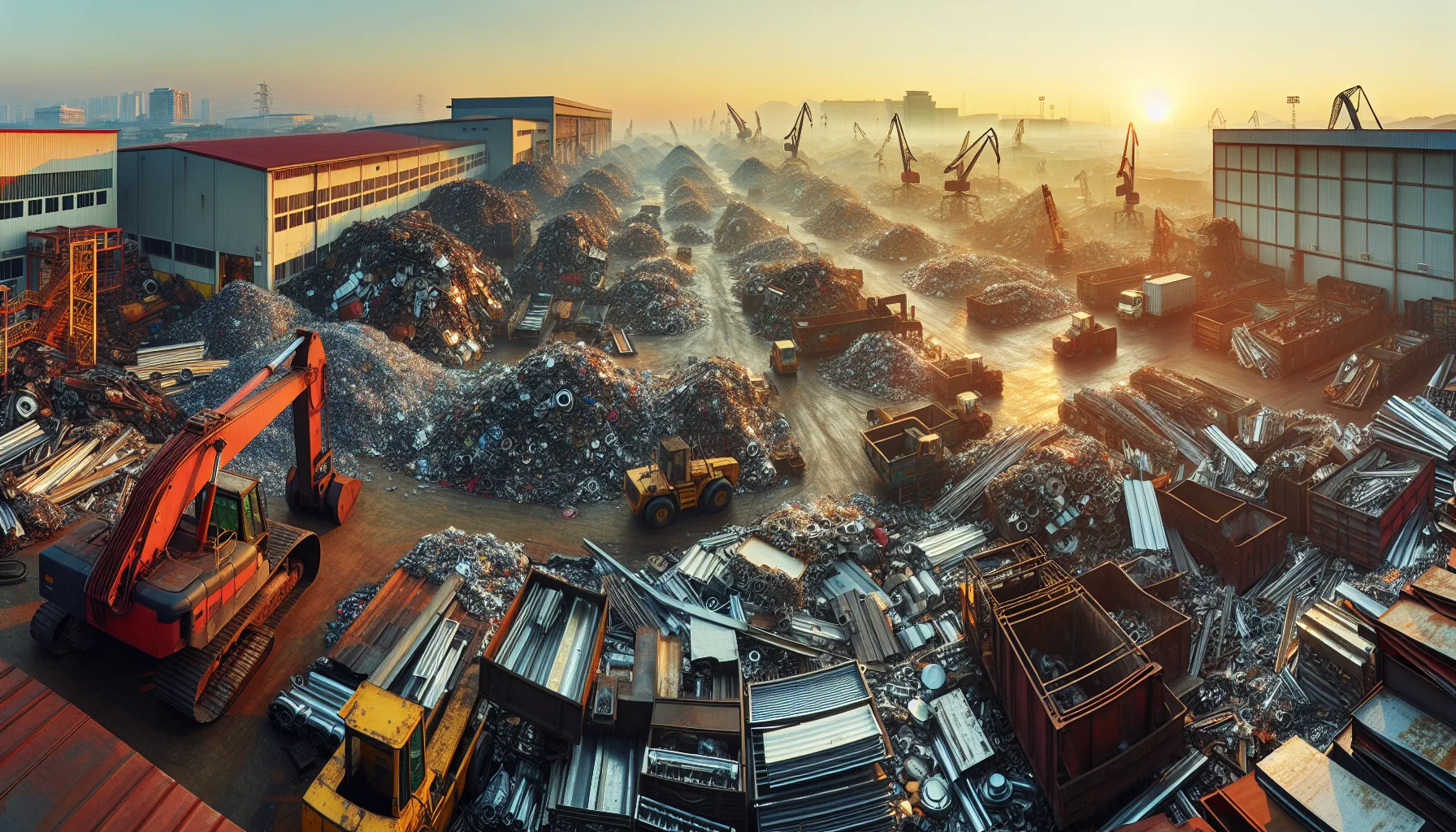
Steel vs. Iron Scrap: Real Price Differences That Impact Your Bottom Line
When Maria from Guelph cleaned out her grandfather's workshop last month, she discovered stacks of old steel beams and cast iron pipes. Like many Canadians dealing with inherited metal, she wondered: "What's the difference between steel and iron scrap prices?" The answer saved her over $200 when she learned to properly identify and separate her materials before selling.
Understanding the price gap between steel and iron scrap makes a significant difference in your payout. While both metals contain iron, their composition, demand, and market value vary considerably. Steel scrap typically commands higher prices due to its versatility and widespread industrial use, while iron scrap prices fluctuate based on purity and form.
Canadian scrap buyers pay different rates for these materials because steel mills and foundries have specific requirements. When you sell your scrap metal in Canada on SellYourScrap, knowing these differences helps you maximize your return and avoid leaving money on the table.
Breaking Down Steel Scrap Categories and Their Market Value
Steel scrap isn't just steel scrap. Canadian buyers categorize steel into multiple grades, each commanding different prices. Heavy melting steel (HMS) — thick structural beams and plates — typically fetches the highest rates because it's easy to process and highly desirable for steel mills.
Light iron and steel, including car bodies and appliances, sells for less due to processing complexity. The aluminum scrap price today often exceeds steel prices, but steel's volume advantage makes it profitable for many sellers. A single appliance contains 50-80 pounds of steel, while aluminum components might weigh just 5-10 pounds.
Shredded steel commands premium prices because it's already processed for mill consumption. If you have access to shredding services in Ontario, this upgrade can boost your per-pound rate significantly. However, factor in processing costs and transportation to determine your net benefit.
Prepared steel — clean, sorted, and properly sized — always outperforms unprepared material. Buyers prefer steel free from attachments like rubber, plastic, or other metals. Taking 30 minutes to remove non-ferrous materials can increase your payout by 15-25%.
Iron Scrap Types and Why Prices Differ From Steel
Cast iron commands different pricing than steel because of its carbon content and brittleness. Old radiators, engine blocks, and pipes fall into this category. While cast iron is 100% recyclable, its processing requirements differ from steel, affecting buyer demand and pricing.
Wrought iron, found in decorative items and older construction materials, often sells at premium rates due to its high purity and low sulfur content. However, true wrought iron is rare — most "wrought iron" today is actually mild steel, which affects valuation.
Machine cast iron typically brings higher prices than structural cast iron. Engine blocks, brake rotors, and industrial machinery components contain fewer impurities and process more efficiently. When you get a fair price for your scrap today, proper identification of your cast iron type ensures accurate pricing.
Mixed iron loads receive lower per-pound rates because buyers must sort and process different grades separately. If possible, separate your cast iron from steel and categorize by type. This extra effort translates to better prices, especially for larger loads.
Market Factors That Drive Steel and Iron Price Differences
Global steel demand directly impacts Canadian scrap prices. When construction booms in major markets, steel scrap prices rise accordingly. Iron scrap prices follow different patterns, influenced more by foundry demand and specialized applications than general construction activity.
Transportation costs affect pricing differently for steel versus iron. Steel's higher value-to-weight ratio means longer shipping distances remain profitable. Iron scrap, being denser and lower-valued, requires closer processing facilities to maintain profitability. This geographic factor particularly impacts pricing in regions like Guelph, where proximity to processing facilities influences buyer competition.
Contamination penalties hit iron harder than steel in many cases. Steel buyers often accept minor contamination because processing can remove most impurities. Iron foundries have stricter purity requirements, meaning contaminated iron receives steeper price reductions or outright rejection.
Platforms like SMASH make it easier to compare these market factors across multiple buyers. Instead of calling individual scrap yards, you can see how different buyers value your specific steel and iron materials in real-time.
Success Story: How Proper Identification Increased a Guelph Business Owner's Payout
Tom runs a small manufacturing business in Guelph and generates steady amounts of steel and iron waste. Initially, he sold everything as mixed scrap to the nearest yard, receiving basic rates for his materials. After researching best scrap metal prices Guelph, he discovered he was leaving significant money unclaimed.
Tom started separating his materials into distinct categories: clean steel plate, machining chips, cast iron pieces, and mixed light iron. This simple change increased his monthly scrap revenue by 40%. The clean steel plate now commands premium pricing, while his cast iron machine parts sell to specialized foundry buyers.
The key breakthrough came when Tom realized his machining chips qualified as high-grade steel turnings. These command premium prices because they're already sized for mill consumption and contain minimal contamination. What he previously sold as mixed scrap now generates top-tier pricing.
Tom's experience illustrates why platforms like SMASH Scrap — where verified buyers bid on your metal prove valuable. Multiple buyers compete for his separated materials, driving prices higher than single-buyer scenarios. His monthly scrap income now covers his shop's utilities — money that was previously lost to poor identification and pricing.
Maximizing Your Steel and Iron Scrap Value in Ontario
Preparation makes the biggest difference in steel and iron scrap pricing. Remove all non-metallic attachments before sale. Rubber seals, plastic components, and wooden handles reduce value and may result in contamination penalties. Fifteen minutes of prep work per item typically increases value by 20-30%.
Size matters in scrap metal sales. Buyers prefer manageable pieces — typically under four feet for easy handling. Cutting oversized steel beams or breaking down large iron castings improves buyer interest and pricing. However, factor in cutting costs and time investment against potential price gains.
Understanding seasonal patterns helps optimize selling timing. Construction season drives strong steel demand, while foundry iron purchases often peak during automotive production cycles. While you shouldn't hoard materials hoping for price spikes, awareness of these patterns helps with timing larger sales.
Documentation proves valuable for ongoing business relationships. Keep records of your material types, weights, and prices received. This data helps you track market trends and identify the best scrap metal prices Ontario buyers consistently offer for your specific materials.
When you're ready to turn your steel and iron scrap into cash, proper identification and preparation maximize your returns. Explore Canadian scrap metal guides for detailed preparation tips, or connect with verified buyers who understand the true value of properly categorized materials.
Frequently Asked Questions
Q: How much more does steel scrap sell for compared to iron scrap?
Steel scrap typically commands 10-30% higher prices than iron scrap, depending on grade and market conditions. Clean steel plate and structural steel receive premium pricing, while cast iron and mixed iron materials sell at lower rates due to processing requirements.
Q: What's the easiest way to tell steel from iron scrap?
Use a magnet test — both attract magnets, but steel sounds higher-pitched when struck with a hammer. Cast iron sounds duller and may show graphite flakes when filed. When in doubt, separate by source: automotive parts are typically steel, while old radiators and pipes are often cast iron.
Q: Should I sell steel and iron together or separately?
Always separate steel and iron when possible. Mixed loads receive lower pricing because buyers must sort materials themselves. Even basic separation into "steel" and "cast iron" categories typically increases your total payout by 15-25%.
Q: How do I find the best scrap metal prices in Guelph for steel and iron?
Compare prices from multiple local buyers and consider online platforms that connect you with verified purchasers. Market prices fluctuate daily, so check current rates before selling. Quality preparation and proper material identification help you command top pricing regardless of the buyer.
Q: Is the aluminum scrap price today higher than steel and iron?
Yes, aluminum typically sells for 3-5 times more per pound than steel or iron. However, steel and iron are much more abundant in most scrap situations, so total revenue often favors the ferrous metals despite lower per-pound pricing.
Whether you're dealing with inherited materials, business waste, or renovation debris, understanding steel versus iron pricing helps you maximize returns. Sell your scrap metal in Canada — request a pickup at sellyourscrap.ca and connect with buyers who recognize the true value of properly identified materials.