How Green Regulations Drive Copper Scrap Price Today and Transform Medicine Hat's Metal Recycling Market
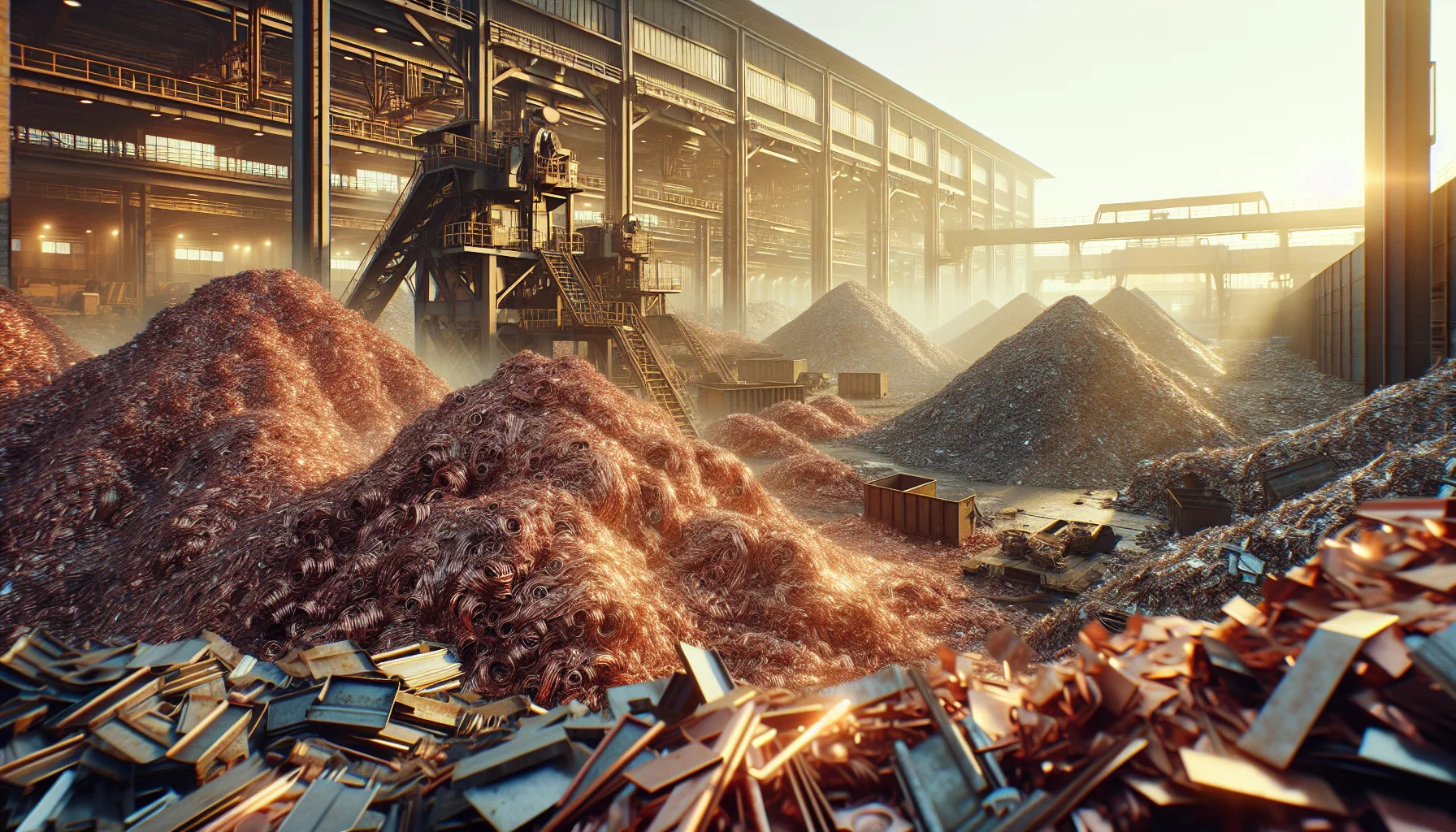
A single scrap metal facility in Medicine Hat now prevents over 15,000 tonnes of copper, aluminum, and steel from reaching Alberta landfills annually — while generating significant revenue for local businesses and residents. This transformation didn't happen by accident. Environmental regulations introduced in 2026 have fundamentally changed how Canadians approach scrap metal recycling, creating new opportunities for sellers while protecting our ecosystems.
The copper scrap price today reflects more than just market demand. Environmental compliance costs, carbon credit incentives, and stricter landfill regulations all influence what recyclers pay for clean copper materials. These regulatory changes have made platforms like SMASH essential for connecting sellers with environmentally compliant buyers across Canada.
Understanding how environmental regulations impact your scrap metal value helps you maximize returns while contributing to Alberta's sustainability goals. From updated sorting requirements to new pricing structures, these changes directly affect every copper wire, aluminum can, and steel beam you sell.
Environmental Impact Success: Medicine Hat's Recycling Transformation
Medicine Hat's industrial sector has embraced environmental regulations as a competitive advantage rather than a burden. Local manufacturing facilities now generate substantial revenue streams from previously discarded materials. One automotive parts manufacturer increased their annual scrap metal income by 340% after implementing compliant sorting and collection systems.
The city's strategic location along major Alberta transportation corridors has attracted environmentally certified recycling operations. These facilities pay premium prices for properly sorted materials because they can process larger volumes more efficiently. The result? Higher copper scrap price today for Medicine Hat sellers compared to regions without certified facilities nearby.
Environmental compliance has created a ripple effect throughout the local economy. Construction companies now factor scrap metal recovery into project budgets. HVAC contractors separate copper tubing for dedicated collection routes. Even residential contractors are finding that sell your scrap metal in Canada on SellYourScrap platforms connect them with buyers who value environmentally responsible practices.
The transformation extends beyond individual businesses. Medicine Hat's municipal waste diversion programs now include industrial scrap metal collection, reducing landfill pressure while generating municipal revenue. This comprehensive approach demonstrates how environmental regulations can drive economic growth rather than simply impose costs.
2026 Regulatory Changes Affecting Scrap Metal Prices Today
New federal regulations implemented in early 2026 require recycling facilities to meet enhanced environmental standards. These standards include improved water treatment systems, air quality monitoring, and certified material handling processes. While compliance costs have increased for recyclers, they're passing premium pricing to sellers who provide properly sorted, clean materials.
The carbon credit system now recognizes scrap metal recycling as a significant carbon offset activity. Recyclers earning carbon credits can afford to pay higher prices for quality materials. This policy change has directly influenced scrap metal recycling Medicine Hat operations, where facilities can document substantial carbon footprint reductions through proper metal recovery.
Extended Producer Responsibility (EPR) regulations require manufacturers to take responsibility for their products' end-of-life disposal. Companies producing copper wiring, aluminum components, and steel products now fund recycling programs. This manufacturer funding flows through to higher purchase prices for scrap metal suppliers across Alberta.
Landfill restrictions have become more stringent, with hefty penalties for facilities accepting recyclable metals. These restrictions create artificial scarcity in waste disposal options, making recycling the only economically viable choice for many materials. The increased demand drives up aluminum recycle value and other metal prices throughout the supply chain.
How Environmental Compliance Drives Premium Scrap Metal Prices
Certified recycling facilities invest heavily in environmental compliance systems. These investments include advanced sorting equipment, emissions control technology, and waste water treatment systems. To justify these costs, facilities focus on high-value, properly prepared materials that maximize processing efficiency.
Clean copper commands premium pricing because it requires minimal processing before resale. Contaminated materials require additional cleaning steps, energy consumption, and waste disposal — costs that reduce what recyclers can pay sellers. Understanding these cost structures helps sellers prepare materials for maximum value recovery.
Environmental certifications have become competitive advantages for recycling operations. ISO 14001 certified facilities, for example, often pay 10-15% above market rates for quality materials because their efficient processes generate higher profit margins. These certified buyers actively seek relationships with reliable suppliers who understand proper material preparation.
The regulatory environment has also created specialization opportunities. Some facilities focus exclusively on copper processing, investing in advanced purification systems that allow them to pay premium copper scrap price today. Others specialize in aluminum processing, creating competitive scrap metal prices brantford and other regional markets. This specialization benefits sellers who can connect with the right buyers for their specific materials.
Success Stories: Businesses Maximizing Value Through Compliance
Alberta Construction Solutions transformed their waste management approach after environmental regulations tightened in 2026. Previously, mixed construction waste went to landfills at significant cost. Now, they separate copper wiring, aluminum siding, and structural steel for dedicated recycling streams. Their annual scrap metal revenue now exceeds $180,000, completely offsetting previous disposal costs.
The company's success stems from understanding that get a fair price for your scrap today requires proper material preparation and certified buyer relationships. They invested in employee training and sorting equipment, ensuring materials meet environmental compliance standards that command premium pricing.
Medicine Hat Industrial Services discovered that environmental compliance actually simplified their operations. Instead of managing multiple disposal relationships, they now work with certified recycling partners who handle everything from pickup to processing documentation. This streamlined approach reduced administrative overhead while generating significant new revenue.
Their key insight was recognizing that platforms like SMASH connect sellers with buyers who value environmental responsibility. Instead of accepting the first price quote, they use competitive bidding to ensure they receive fair market value for their materials. This approach has consistently delivered prices 15-20% above initial offers.
Small businesses are also finding success through environmental compliance. Prairie Electronics Repair now generates meaningful revenue from electronic scrap that previously went to landfills. By understanding copper content in electronic components and working with certified e-waste recyclers, they've created a profitable secondary revenue stream while meeting environmental obligations.
Navigating New Regulations for Maximum Scrap Metal Returns
Understanding current environmental regulations helps sellers prepare materials for premium pricing. Clean separation remains the most important factor in maximizing returns. Copper wiring stripped of insulation commands significantly higher prices than mixed electrical waste. Similarly, clean aluminum separated from steel fasteners receives premium aluminum recycle value.
Documentation requirements have become more stringent under 2026 regulations. Sellers must provide material source information and certify that materials were legally obtained. This documentation protects both sellers and buyers while ensuring recycled materials meet environmental standards. Maintaining proper records becomes especially important for businesses selling large quantities regularly.
Transportation and storage regulations now require specific handling procedures for certain scrap metals. Lead-containing materials, for example, require certified transportation and handling. Understanding these requirements helps sellers avoid compliance issues that could delay sales or reduce pricing.
The regulatory landscape continues evolving, making it essential to explore Canadian scrap metal guides that provide current information. Staying informed about regulatory changes helps sellers adapt their practices to maintain compliance while maximizing returns. This knowledge becomes particularly valuable when regulations create new opportunities or pricing advantages.
Working with certified buyers through established platforms ensures compliance with all applicable regulations. These buyers understand current requirements and can guide sellers through proper procedures. They also typically offer better pricing because they can process materials more efficiently within regulatory frameworks.
Future Outlook: Environmental Regulations and Market Opportunities
Environmental regulations will continue driving innovation in scrap metal recycling throughout 2026 and beyond. Emerging technologies for material sorting and processing will create new opportunities for sellers who understand market trends. Advanced recycling techniques will likely increase demand for specific material grades, potentially driving up copper scrap price today and other premium materials.
Carbon pricing mechanisms will become more sophisticated, with recycling operations earning higher carbon credits for processing certain materials. These enhanced credits will flow through to higher purchase prices for sellers who can provide materials that maximize carbon offset values. Understanding these mechanisms helps sellers position their materials advantageously.
International trade regulations increasingly favor recycled materials over virgin mining products. This global trend strengthens Canadian recycling markets, supporting higher domestic prices for quality scrap metals. Alberta's position as a major resource province positions local sellers well to benefit from these international trends.
Technology adoption in recycling operations will continue improving efficiency and reducing costs. Lower operating costs allow recyclers to pay higher prices for quality materials while maintaining profitability. Sellers who understand these technological trends can position themselves to benefit from improved pricing structures.
The integration of digital platforms like Canada's B2B scrap recycling marketplace will become essential for navigating complex regulatory and pricing landscapes. These platforms provide transparency, compliance documentation, and competitive pricing that traditional selling methods cannot match.
Frequently Asked Questions
Q: How do environmental regulations affect copper scrap price today in Medicine Hat?
Environmental regulations increase copper scrap prices by requiring recyclers to invest in compliance systems, which they fund through premium pricing for quality materials. Clean, properly sorted copper commands 10-15% higher prices at certified facilities. Medicine Hat's proximity to certified recycling operations means sellers can access these premium markets more easily than in other regions.
Q: What documentation do I need for scrap metal recycling Medicine Hat under 2026 regulations?
You need proof of material source, legal ownership documentation, and material composition certificates for certain metals. For business sellers, waste manifests and environmental compliance records may be required. Certified recyclers typically provide guidance on required documentation during the sales process.
Q: Do environmental regulations increase aluminum recycle value compared to previous years?
Yes, 2026 environmental regulations have increased aluminum recycle value through carbon credit systems, extended producer responsibility programs, and landfill restrictions. These factors create additional revenue streams for recyclers, allowing them to pay higher prices for clean, properly sorted aluminum materials.
Q: How do I find environmentally compliant buyers for my scrap metal in Alberta?
Look for recyclers with ISO 14001 certification, current environmental permits, and transparent processing procedures. Online platforms that verify buyer credentials provide the easiest way to connect with compliant buyers. These platforms also ensure competitive pricing through transparent bidding processes.
Q: Will scrap metal prices today continue rising due to environmental regulations?
Environmental regulations are likely to support higher scrap metal prices through increased compliance costs, carbon credit values, and landfill restrictions. However, prices also depend on global commodity markets and economic conditions. The regulatory environment provides a supportive foundation for maintaining strong pricing trends throughout 2026.
Environmental regulations have transformed Canada's scrap metal recycling landscape, creating opportunities for sellers who understand compliance requirements and market dynamics. Whether you're a Medicine Hat contractor with construction waste or an Alberta manufacturer with regular scrap generation, these regulatory changes can work to your advantage. Sell your scrap metal in Canada — request a pickup at sellyourscrap.ca and discover how environmental compliance can maximize your returns while supporting sustainable practices.
Follow SMASH on LinkedIn for the latest updates on environmental regulations and their impact on Canadian scrap metal markets.