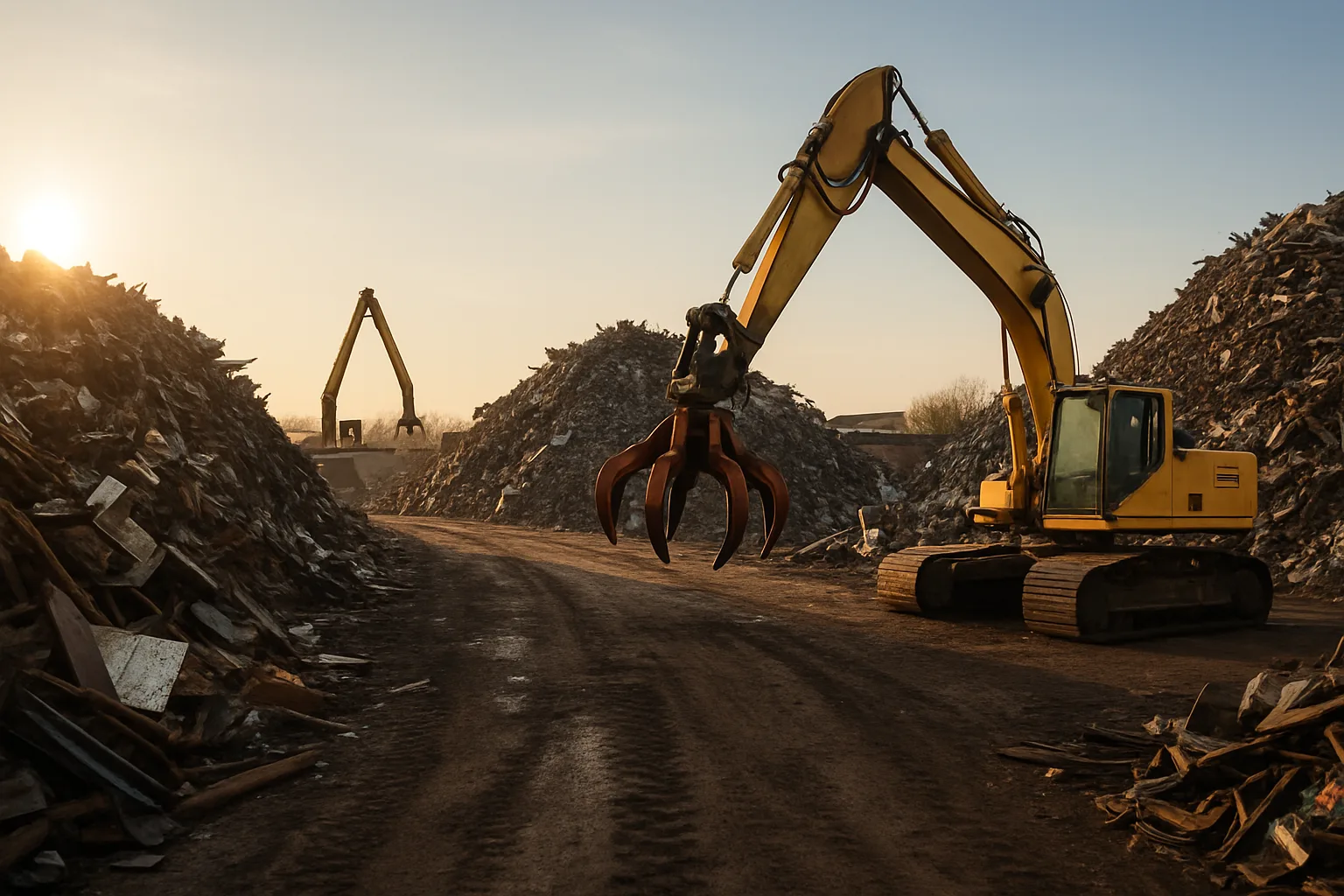
What Scrap Metal Prices Today Are Telling Sellers in 2026
If you've been sitting on a pile of copper wire, old aluminum rims, or a stack of catalytic converters, here's what you need to know: scrap metal prices today are moving fast, and the sellers who understand why are the ones walking away with better returns. Markets shifted through late 2025 and into 2026 in ways that reward preparation over guesswork. Whether you're clearing a shop in Etobicoke or selling off a fleet of end-of-life vehicles across Ontario, reading the market before you sell is the difference between leaving money on the table and capturing real value.
This guide breaks down the key trends shaping scrap metal prices right now, what's driving them, and how to position yourself to sell smarter — not just faster.
The Forces Driving Scrap Metal Prices Today
Scrap metal pricing doesn't happen in a vacuum. It responds to global demand, energy costs, trade policy, and local supply pressure — all at once. In 2026, a few forces are standing out above the rest.
Manufacturing demand is still the biggest driver. Steel mills and aluminum smelters in North America are running lean inventories. When they need feed material, they pull from the scrap supply chain first. That creates upward pressure on ferrous and non-ferrous grades alike. Industrial reshoring trends in the U.S. and Canada have kept this demand elevated, particularly for clean aluminum and high-grade copper.
- Copper: Global electrical infrastructure buildout — including EV charging networks and grid upgrades — is keeping copper demand strong. Clean #1 and #2 copper continues to trade at a premium over bare bright.
- Aluminum: Cast and extruded aluminum from automotive sources remain in steady demand. Etobicoke and surrounding GTA yards are seeing consistent volume from auto dismantlers.
- Catalytic converters: Prices are more volatile than they were two years ago, largely due to fluctuating platinum group metal (PGM) values. The spread between low-value and high-value cats is wider than ever — which matters enormously when you're selling a load of cores.
- Ferrous (steel and iron): More price-sensitive to mill capacity and energy input costs. Watch for seasonal softness in late summer if construction activity slows.
The pattern here is clear: the more you know about what you're selling and what's driving demand for that specific grade, the better positioned you are to time your sale and negotiate your price. Platforms like sell your scrap metal on SMASH Recycling are built around this principle — documented inventory, vetted buyers, and competitive bidding replace the old guessing game.
What Sellers Near Etobicoke Should Watch Right Now
Local market conditions in Etobicoke and the broader GTA add a layer of nuance to national pricing trends. This is a dense industrial corridor. Auto shops, construction contractors, electrical contractors, and light manufacturing all generate scrap — which means yard competition for volume is real, but so is buyer competition for quality material.
A few things worth tracking if you're selling scrap metal near Etobicoke:
- Yard spread vs. market price. What a local yard quotes you and what buyers are actually willing to pay in a competitive environment can be two different numbers. That gap is where SMASH scrap auctions do their job — putting your load in front of multiple vetted buyers at once.
- Catalytic converter documentation requirements. Ontario has tightened requirements around proof of ownership and seller ID for catalytic converter transactions. Make sure your documentation is clean before you sell. A sell your scrap metal in Canada on SellYourScrap process that includes serial tracking and photo documentation protects you and improves buyer confidence.
- Seasonal volume shifts. Summer in the GTA means more renovation and construction activity — more ferrous scrap, more copper from electrical work, more aluminum from window and siding replacements. Buyers know this. Supply spikes can compress prices temporarily. Timing matters.
- Freight and logistics costs. If you're moving volume — not just a few pieces — freight cost is part of your net return. Sellers who consolidate loads and document them properly attract buyers who will absorb more of those logistics costs.
The sellers who watch these signals don't just react to prices — they position ahead of them.
The Catalytic Converter Market: Still Volatile, Still Worth Watching
Catalytic converters deserve their own section because the price swings in this category have been some of the most dramatic in the scrap market. PGM prices — platinum, palladium, and rhodium — drive converter values, and those prices respond to automotive production trends, mining output, and industrial demand signals that most scrap sellers don't track.
Here's what that means practically: two converters that look identical on the outside can have very different scrap values depending on the vehicle they came from. A domestic mid-size SUV cat and a foreign luxury vehicle cat are not the same commodity. If you're selling a mixed load of cores without proper VIN lookup or serial tracking, you're almost certainly underselling something.
The catalytic converter auction format exists precisely for this reason. When a documented load of converters goes to multiple buyers who specialize in PGM recovery, competitive tension replaces a single buyer's lowball offer. That's the SMASH model. You explore Canadian scrap metal guides and quickly see that documentation is the single biggest lever sellers can pull to improve their return on cats — more than timing, more than volume.
If you're moving converter volume in Ontario, get your documentation process right before your next sale. VIN lookup, photos, serial tracking — these aren't just compliance tools. They're price tools.
How to Sell Smarter: Documentation, Competition, and Transparency
The old way of selling scrap in Canada looks like this: one phone call, one quote, accept or walk. There's no competitive pressure on the buyer, no visibility into what the market is actually willing to pay, and no documentation trail that builds your credibility over time. It's not that local yards are dishonest — it's that a single offer with no competition is structurally designed to favor the buyer.
The SMASH way is different. Here's how the process works for a serious seller:
- Inventory your load properly. Photos, weights, grades, VINs or serials where applicable. This isn't busywork — it's what separates a confident bid from a hedged one.
- Put it in front of multiple vetted buyers. SMASH connects your documented load to buyers who compete for it. More buyers means better price discovery. That's not marketing language — that's how auctions work.
- Let the market tell you the price. You don't have to guess what your copper or your cats or your aluminum is worth. Competition can help reveal the market. Your job is to show up with clean, documented inventory.
- Auto-invoicing handles the paperwork. Once your load sells, the back-end documentation — BOLs, packing lists, invoicing — is handled. You focus on sourcing the next load.
No subscription fees. SMASH only wins when you win. That alignment matters when you're deciding where to move your volume.
Scrap Metal Recycling Ontario: Building a Consistent Selling Practice
One-time sellers and high-volume yards both benefit from treating scrap metal sales as a process, not an event. Scrap metal recycling in Ontario is a serious industry — not a side hustle — and the sellers who treat it that way get paid accordingly.
What does a consistent selling practice look like?
- Regular inventory audits — knowing what you have before a buyer asks
- Grade separation at the source (don't let mixed loads drag down clean material)
- Documentation habits that build a track record buyers trust
- Market monitoring — checking scrap metal prices in Ontario regularly, not just when you're ready to sell
- A platform that gives you access to competitive bids, not just the nearest yard's posted rate
Whether you're in Etobicoke, Barrie, Hamilton, or anywhere else in the province, the fundamentals are the same. Volume and documentation unlock better pricing. Competition between buyers does the rest. If you want to get a fair price for your scrap today, the first step is knowing what you have and putting it in front of more than one buyer.
The market in 2026 is active. Demand is real. But passive selling — waiting for one buyer to offer you something — leaves too much on the table. SMASH was built to change that dynamic, and it's available to sellers across Canada right now.
Ready to stop guessing and start selling competitively? Request a pickup or start your listing at sellyourscrap.ca — and let the market work for you.
Frequently Asked Questions
Q: What are scrap metal prices today in Ontario?
Scrap metal prices fluctuate daily based on commodity markets, local supply, and buyer demand. Copper, aluminum, and catalytic converter values are particularly sensitive to global shifts. Always check current posted rates before bringing in a load — and consider using a competitive auction platform like SMASH to ensure you're seeing real market value, not just one yard's quote.
Q: Where can I sell scrap metal near me in Etobicoke?
Etobicoke has several local yards that accept walk-in scrap. For higher-value loads — especially non-ferrous metals and catalytic converters — a competitive auction platform will typically expose your material to more buyers and better price discovery than a single yard quote. Platforms like SMASH serve sellers across the GTA and Ontario.
Q: How do catalytic converter auctions work?
In a catalytic converter auction, your documented load of converters is presented to multiple vetted buyers who specialize in PGM recovery. They bid competitively, which can surface better pricing than a single-buyer transaction. Proper documentation — VIN lookup, photos, serial tracking — is essential for attracting strong bids.
Q: Do scrap metal prices in Ontario differ from the rest of Canada?
Base commodity prices (copper, aluminum, steel) follow North American market rates, but local factors like yard competition, freight costs, and regional demand can affect what you're actually paid. Ontario's industrial base and port access generally mean active buyer markets for most grades of scrap.
Q: Is there a fee to sell scrap metal through SMASH?
SMASH does not charge subscription fees to sellers. The platform operates on a model where it only earns when a transaction completes — meaning its incentives are aligned with getting you the best possible outcome on your load.
Stay current on scrap metal market trends, pricing signals, and industry news by following SMASH on LinkedIn: follow SMASH on LinkedIn for scrap metal market insights.
Disclaimer: Scrap metal prices fluctuate based on commodity markets and local conditions. Always verify current rates before selling. Nothing in this article constitutes a price guarantee or financial advice.