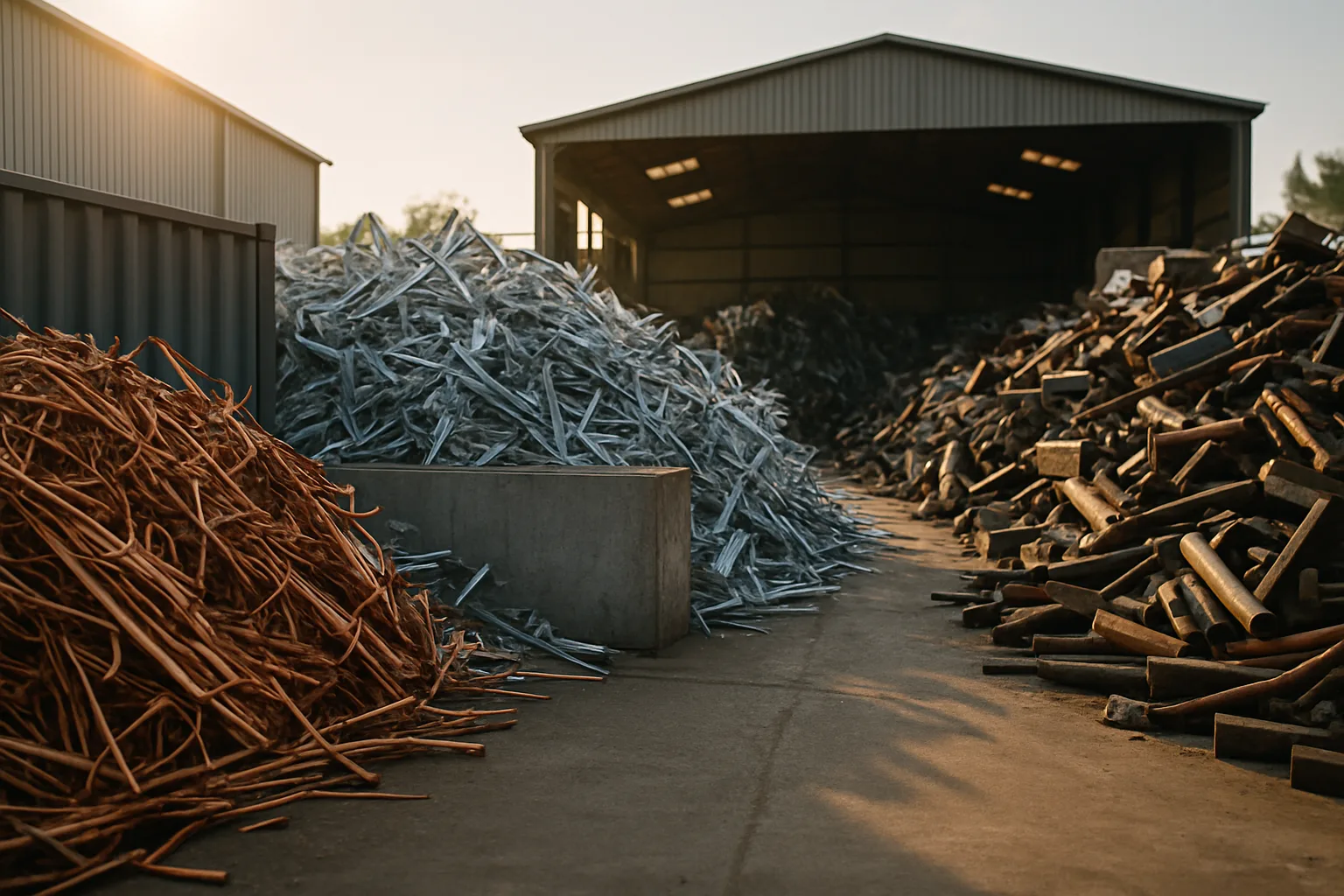
Most people hauling scrap to the yard have no idea why one pile of metal pays ten times more than another. That gap in knowledge costs real money — every single time. Understanding the difference between ferrous and non-ferrous scrap is the single most important thing you can do before you sell. It determines your payout, your process, and whether you're leaving value on the table.
If you're chasing the best scrap metal prices Toronto has to offer — or anywhere else in Ontario — this breakdown is your starting point. Whether you're clearing out a job site, scrapping equipment, or running a recycling operation, knowing your metals changes everything.
---What Makes a Metal Ferrous or Non-Ferrous?
The definition is simple. Ferrous metals contain iron. Non-ferrous metals do not. That one fact drives nearly every difference in value, handling, and market demand.
Ferrous metals include steel and iron — the backbone of construction, automotive, and manufacturing. They're everywhere. They're heavy, magnetic, and abundant. That abundance is exactly why they pay less per pound at the yard. Common ferrous scrap includes structural steel beams, rebar, cast iron, and car bodies.
Non-ferrous metals — copper, aluminum, brass, stainless steel, lead, zinc, and nickel — contain no iron. They're typically lighter, more resistant to corrosion, and far more valuable on a per-pound basis. Scrap copper regularly trades at multiples of what structural steel commands. Scrap aluminum from wire, extrusion, or radiators lands in a similar premium category. These materials are in high demand globally, which keeps prices elevated and competitive.
A quick field test: grab a magnet. If it sticks, you've got ferrous. If it doesn't, you're likely holding something worth considerably more. It's not a perfect test — stainless steel is technically ferrous but won't always attract a magnet strongly — but it's a solid starting point on the shop floor or job site.
---Why Non-Ferrous Metals Command Higher Scrap Prices in Toronto and Beyond
The price gap between ferrous and non-ferrous isn't arbitrary. It's driven by global demand, material scarcity, and processing costs. Non-ferrous metals are used in electrical wiring, aerospace, electronics, plumbing, HVAC systems, and battery technology. That demand isn't slowing down — in 2026, the push for electrification and grid infrastructure is pulling copper and aluminum prices higher than many expected even a few years ago.
Toronto is a major hub for metal recycling Canada-wide. Yards across the city and throughout Ontario move significant volumes of both ferrous and non-ferrous material daily. But the buyers paying attention — and paying well — are the ones sourcing non-ferrous material in documented, sorted loads. A mixed, unsorted load almost always pays less. Buyers can't price what they can't identify.
Here's what drives the value difference in practical terms:
- Copper: Used in electrical, plumbing, and EV battery systems. One of the highest-value scrap metals by weight.
- Aluminum: Lightweight, corrosion-resistant, in massive demand for automotive and construction. Separate your extrusion from your cast — they pay differently.
- Brass: Found in fittings, valves, and fixtures. Dense and valuable. Often overlooked in mixed loads.
- Stainless steel: Technically contains iron but classified as non-ferrous in most scrap markets due to nickel and chromium content. Pays more than mild steel.
- Lead and zinc: Found in batteries, roofing, and industrial equipment. Regulated in some jurisdictions — document your source.
The yard doesn't reward guesswork. Sorted, identified, documented loads give buyers confidence — and confident buyers bid higher. Platforms like the SMASH Recycling auction platform are built precisely around this principle: documented inventory, competitive buyers, and real price discovery.
---The Real Cost of Selling Mixed or Unsorted Loads
Here's where most sellers leave money behind. A load of mixed scrap — ferrous and non-ferrous tangled together — gets priced by the yard at the lowest common denominator. They're not going to pay you copper prices for a load that needs sorting. They price for their risk and their labour. You absorb that discount.
Sorting takes time, but the math usually works out. Pull your copper wire before you haul. Separate your aluminum radiators from the steel frame they're bolted to. Strip your electrical motors if the volume justifies it. Each step you take to separate and identify your material is a step toward better scrap metal inventory management — and a better payout.
This isn't just advice for large recycling yards. Contractors, HVAC trades, electricians, and demolition crews all generate high-value non-ferrous material as a byproduct of everyday work. The crews that track it, bag it, and document it consistently come out ahead. The ones that toss everything in a bin together consistently get underpaid.
If you're running volume — multiple loads a week, multiple job sites — a structured approach to documentation pays for itself fast. That means photos, weights, metal grades, and a clear record of what you're selling. When you sell your scrap metal in Canada on SellYourScrap, that documentation is already part of the process.
---How a B2B Scrap Metal Marketplace Changes the Game for Ferrous and Non-Ferrous Sellers
The old model: call your one buyer, take their number, load the truck. If the price felt low, you had no leverage. You took it or you hauled it home. That's not a market — that's a negotiation with one side missing.
A B2B scrap metal marketplace changes the dynamic entirely. When your load goes in front of multiple vetted buyers simultaneously, competition does the work. One buyer's "slow week" doesn't tank your sale. You're not at the mercy of a single relationship or a single mood. The market reveals itself — and that's almost always better than the alternative.
SMASH is built for exactly this. Whether you're moving a tonne of copper wire from a Toronto electrical job or a mixed container of scrap aluminum from an Ontario manufacturing facility, the auction format connects your documented load with buyers who actually want it. No subscription fees. SMASH only earns when the seller does. That's the model.
For sellers in markets outside Toronto — including those looking for the best scrap metal prices Barrie or anywhere else in the province — the platform levels the playing field. You're not limited to what your local yard is willing to pay on any given Tuesday. You're accessing a broader buyer pool with real competitive pressure.
Want to get a fair price for your scrap today? The first step is knowing what you have. Ferrous or non-ferrous. Sorted or mixed. Documented or guessed. The difference matters more than most sellers realize until they see two different quotes side by side.
---How to Recycle Scrap Metal the Right Way in Ontario
Knowing how to recycle scrap metal properly isn't just about getting paid — it's about staying compliant, reducing waste, and making the process repeatable. Ontario has specific regulations around scrap metal transactions, particularly for non-ferrous material. Yards are required to record seller information and material sources for many categories of metal. This isn't a burden — it's a framework that protects legitimate sellers and keeps the industry credible.
Here's a practical process for sellers in Toronto or anywhere across Ontario:
- Sort your material at the source. Don't wait until you're at the yard. Ferrous in one bin, non-ferrous separated by type — copper, aluminum, brass.
- Document what you have. Photos, approximate weights, and source notes. This matters for both compliance and price discovery.
- Identify your grades. Bare bright copper pays more than insulated wire. Clean aluminum extrusion pays more than cast. Grade matters.
- Choose your selling channel carefully. A single yard quote is a starting point, not a market price. A competitive auction process is closer to actual market value.
- Track your sales over time. If you're generating scrap regularly, patterns in timing and material type help you sell smarter.
For Toronto scrap metal services, the demand from buyers is consistent — the city generates significant industrial, construction, and renovation scrap year-round. That volume creates opportunity for sellers who show up prepared.
If you want to go deeper on any of these topics — grades, timing, pricing cycles, or what specific metals are worth right now — explore Canadian scrap metal guides for practical, no-filler breakdowns built for Canadian sellers.
---The Bottom Line on Ferrous vs. Non-Ferrous
The difference between ferrous and non-ferrous isn't complicated — but the financial impact is significant. Iron-containing metals move in volume at lower prices. Non-ferrous metals move in smaller quantities at higher per-pound values. Your job as a seller is to know which is which, sort accordingly, document properly, and put your loads in front of buyers who compete for them.
If you're hauling scrap in Toronto, running a yard in Ontario, or managing material flow across multiple sites, the platform you use to sell matters as much as the material itself. SMASH connects vetted buyers with documented loads in an auction format — no guessing, no single-buyer leverage, no subscription fees. The market does the pricing.
Ready to stop guessing and start selling? Sell your scrap metal in Canada the right way — request a pickup or get your load in front of buyers at sellyourscrap.ca.
Disclaimer: Scrap metal prices fluctuate daily based on global commodity markets. Always check current rates before selling. The prices and market conditions described in this article reflect general 2026 trends and are not guaranteed quotes.
---Frequently Asked Questions
Q: What's the easiest way to tell if my scrap is ferrous or non-ferrous?
Use a magnet. Ferrous metals — steel, iron — will attract a magnet. Non-ferrous metals like copper, aluminum, and brass won't. This simple test works for most common scrap materials and takes seconds on a job site or at the yard gate.
Q: Why do non-ferrous metals pay more per pound than ferrous scrap?
Non-ferrous metals are less abundant, harder to process, and in high demand for manufacturing, electronics, and clean energy infrastructure. Copper and aluminum in particular are essential to EV production and grid buildout, which keeps their market prices elevated relative to common steel or iron.
Q: Where can I get the best scrap metal prices in Toronto?
The best prices come from competition — not from a single yard quote. Platforms like SMASH put your documented load in front of multiple vetted buyers simultaneously, which allows the market to reveal the real price. For local pickup and service, check out the resources at sellyourscrap.ca.
Q: Does sorting my scrap before selling actually make a financial difference?
Yes — consistently and significantly. Mixed loads get priced at the lowest common denominator. Sorted, graded, and documented loads give buyers confidence to bid higher. Separating your copper wire from steel, or your aluminum extrusion from cast, can meaningfully improve your payout without adding much time to your process.
Q: Are there regulations I need to follow when selling non-ferrous scrap in Ontario?
Yes. Ontario requires scrap yards to collect seller identification and material source information for many categories of non-ferrous metal. This is standard practice across the province. Legitimate sellers with documented material have nothing to worry about — the process protects everyone in the supply chain.
---Follow SMASH on LinkedIn for scrap metal market insights, industry updates, and practical advice for Canadian recyclers and buyers.