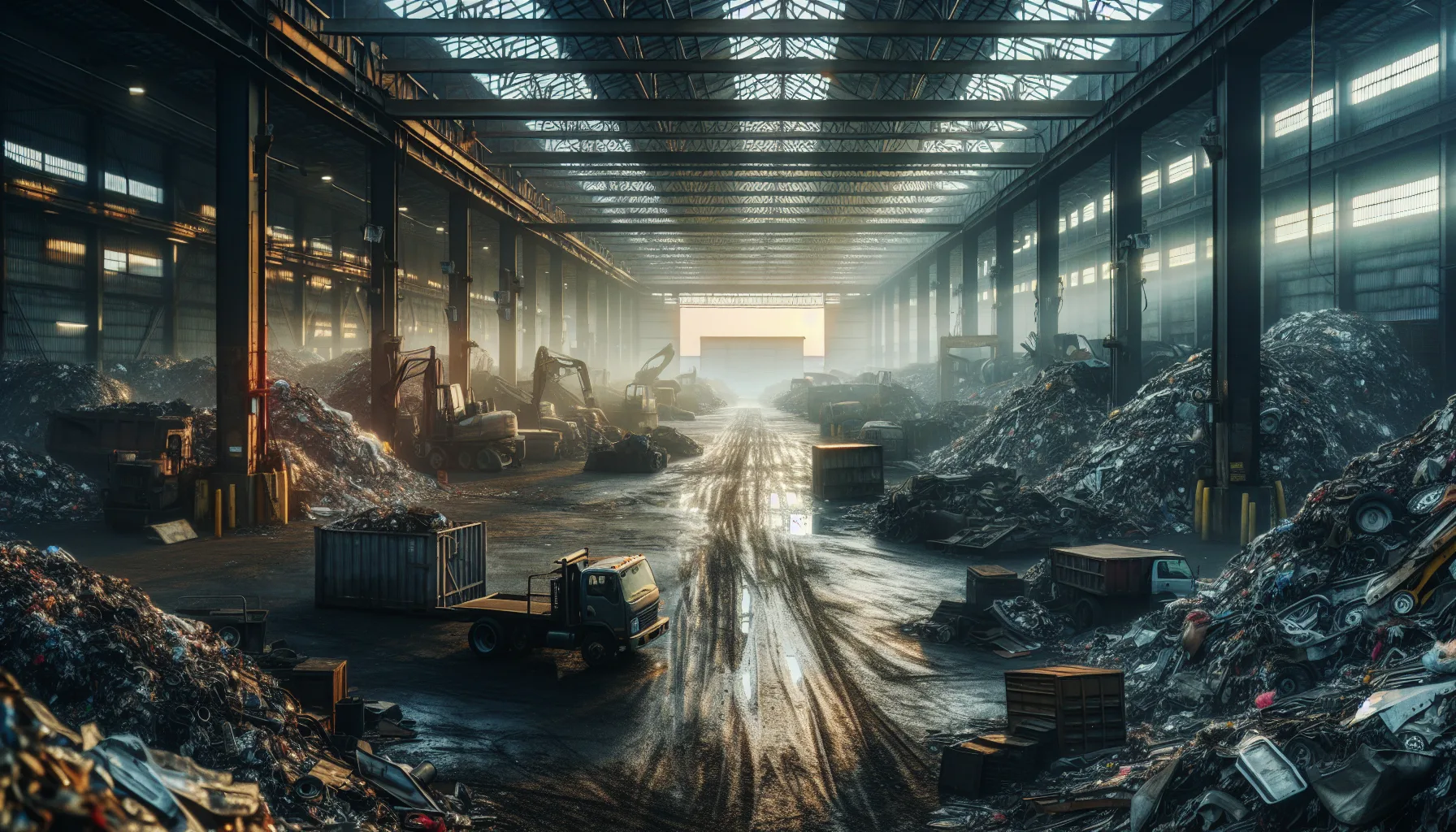
The environmental impact of scrap metal recycling extends far beyond the simple act of collecting old materials. When you search for junk car buyers near me in Brampton, you're participating in one of Canada's most effective environmental protection strategies. Metal recycling prevents millions of tons of waste from entering landfills while dramatically reducing the energy needed to produce new materials.
Understanding environmental regulations helps you make informed decisions about selling your scrap metal. Ontario's strict environmental standards ensure that recycling operations protect local communities while maximizing resource recovery. These regulations affect everything from catalytic converter processing to copper wire handling, making it essential to work with compliant buyers.
Environmental Benefits of Metal Recycling in Ontario
Metal recycling delivers massive environmental benefits compared to primary metal production. Steel recycling uses 74% less energy than producing new steel from iron ore. Aluminum recycling is even more impressive, requiring 95% less energy than primary aluminum production.
These energy savings translate directly into reduced greenhouse gas emissions. Every ton of recycled steel prevents 1.85 tons of CO2 from entering the atmosphere. Aluminum recycling prevents even more — up to 9 tons of CO2 per ton of recycled material.
Water conservation represents another critical benefit. Primary metal production consumes enormous amounts of water for mining, processing, and cooling. Recycled metals require significantly less water, helping preserve Ontario's freshwater resources.
When you sell your scrap metal in Canada on SellYourScrap, you contribute to these environmental gains. Each pound of copper, aluminum, or steel diverted from landfills reduces the need for environmentally destructive mining operations.
Current Regulations for Scrap Metal Recycling
Ontario's environmental regulations for scrap metal recycling have evolved significantly to address emerging challenges. The province requires all scrap metal dealers to maintain detailed records of purchases and sales, including seller identification and material descriptions.
Catalytic converter regulations deserve special attention. New tracking requirements in 2026 mandate that all catalytic converter transactions include vehicle identification numbers and proof of ownership. These rules help combat theft while ensuring proper recycling of precious metals like platinum, palladium, and rhodium.
Air quality regulations affect how scrap yards process materials. Facilities must use dust suppression systems and maintain emission controls to protect surrounding communities. These requirements ensure that Brampton residents aren't exposed to harmful particulates during metal processing.
Soil and groundwater protection rules require scrap yards to implement containment systems. These prevent lubricants, coolants, and other automotive fluids from contaminating local water sources. Regular soil testing ensures ongoing compliance with environmental standards.
Best Practices for Environmentally Responsible Scrap Metal Selling
Choosing environmentally responsible buyers protects both the environment and your interests. Look for dealers who follow proper fluid drainage procedures when handling vehicles. Engine oil, transmission fluid, and coolant must be removed and recycled separately from metal components.
Battery handling requires special attention. Car batteries contain lead and sulfuric acid that can cause serious environmental damage if mishandled. Reputable buyers separate batteries for specialized recycling, preventing toxic materials from contaminating soil or water.
Tire removal and disposal represent another environmental consideration. While tires aren't metal, they often accompany vehicle sales. Responsible buyers ensure tires reach proper recycling facilities where they become playground surfaces, road materials, or fuel.
Documentation matters for environmental compliance. Keep records of your scrap metal sales, including buyer information and material descriptions. This paperwork demonstrates your commitment to legal, environmentally responsible recycling should questions arise.
Platforms like SMASH make it easier to find environmentally compliant buyers. SMASH Scrap — where verified buyers bid on your metal screens dealers for regulatory compliance, ensuring your materials reach legitimate recycling operations.
Impact on Local Communities and Air Quality
Proper scrap metal recycling significantly improves local air quality compared to primary metal production. Mining and smelting operations release sulfur dioxide, particulate matter, and other pollutants that harm respiratory health. Recycling operations produce far fewer emissions while delivering the same materials.
Noise reduction represents another community benefit. Primary metal production requires heavy machinery, blasting, and transportation that disrupts communities for decades. Recycling facilities operate more quietly, making better neighbors in urban areas like Brampton.
Traffic impacts differ dramatically between mining and recycling operations. A single recycling facility serves multiple communities without requiring the massive truck traffic associated with ore transportation from remote mining sites.
Economic benefits flow directly to local communities. Recycling operations create jobs in populated areas rather than remote mining regions. These jobs often pay well while requiring less dangerous working conditions than traditional mining.
When residents get a fair price for their scrap today, they support local economic activity while reducing environmental impacts. This cycle strengthens communities while protecting natural resources.
Future Trends in Metal Recycling Regulations
Emerging regulations focus on increasing recycling rates for critical materials. Ontario plans to expand tracking requirements for copper and aluminum to match current catalytic converter rules. These changes will improve material recovery while reducing theft.
Electronic waste regulations continue evolving as technology advances. Vehicles now contain more electronic components than ever before, requiring specialized handling for circuit boards, sensors, and batteries. New rules ensure these materials reach appropriate recycling facilities.
Carbon pricing affects the economics of metal recycling. As carbon taxes increase, the cost advantage of recycled materials over primary production grows larger. This trend encourages more aggressive recycling efforts while making scrap metal more valuable.
Extended producer responsibility programs may expand to include automotive manufacturers. These programs would require car companies to take greater responsibility for end-of-life vehicle recycling, potentially improving collection systems and processing standards.
Regional cooperation between provinces aims to standardize recycling regulations across Canada. Uniform standards would simplify compliance for multi-provincial operations while ensuring consistent environmental protection.
Explore Canadian scrap metal guides to stay current with regulatory changes that affect your recycling decisions.
Frequently Asked Questions
Q: What environmental regulations affect junk car buyers near me in Brampton?
Junk car buyers in Brampton must follow Ontario regulations for fluid removal, battery handling, and material tracking. They need proper environmental permits and must maintain detailed records of all transactions. Air quality and soil protection standards also apply to their operations.
Q: How do catalytic converter prices today reflect environmental regulations?
Catalytic converter prices today include compliance costs for new tracking requirements and theft prevention measures. These regulations increase processing costs but ensure proper recycling of precious metals. Legitimate buyers factor these costs into their pricing structures.
Q: Can I sell catalytic converters online while meeting environmental standards?
Yes, you can sell catalytic converters online through platforms that verify buyer compliance with environmental regulations. Reputable online buyers follow proper processing procedures and maintain required documentation. Always choose platforms that screen buyers for regulatory compliance.
Q: What makes some scrap metal buyers more environmentally responsible than others?
Environmentally responsible buyers maintain proper permits, follow fluid drainage procedures, and separate hazardous materials correctly. They invest in emission controls and waste management systems that exceed minimum requirements. Look for buyers who provide documentation of their environmental practices.
Q: How do the best scrap metal prices Ontario reflects environmental compliance costs?
The best scrap metal prices in Ontario balance fair payment with environmental compliance costs. Responsible buyers invest in proper processing equipment and waste management systems, which affects their pricing. However, these buyers often provide better service and reduce your liability risks.
Environmental responsibility and fair pricing go hand in hand when you choose the right scrap metal buyer. By understanding regulations and selecting compliant dealers, you protect both the environment and your interests. Whether you're selling copper wire, aluminum siding, or an entire vehicle, working with environmentally responsible buyers ensures your materials contribute to sustainable resource recovery. Sell your scrap metal in Canada — request a pickup at sellyourscrap.ca and join thousands of Canadians who choose environmental responsibility without sacrificing fair prices.