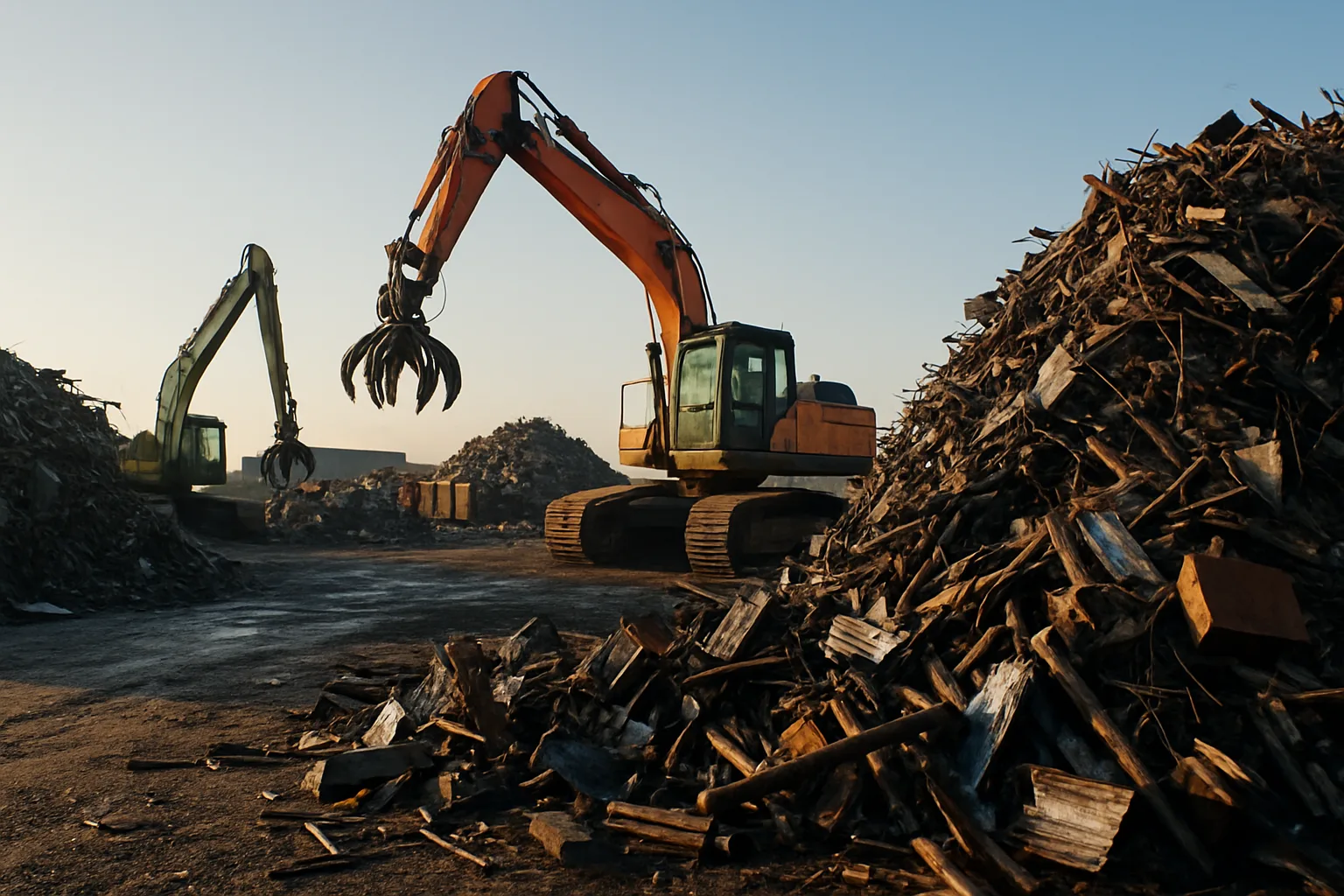
Construction Sites Are Sitting on a Fortune in Scrap Metal — Are You Cashing In?
Every demolition crew that swings a wrecking ball is also swinging open a door to serious scrap metal value. Scrap metal prices today make construction and demolition (C&D) sites one of the most concentrated sources of recoverable metal in Canada — yet plenty of that metal still ends up buried in a landfill or crushed into debris without anyone pulling value from it. That's money left on the ground. Literally.
Whether you're running a demolition crew in Lethbridge, managing a construction project across Alberta, or just looking to understand where the metal goes after a teardown, this guide breaks down what's actually coming off those sites, what it's worth, and how to stop leaving cash behind.
What Scrap Metal Actually Comes Off a Construction or Demolition Site
The volume and variety of metal on a C&D site surprises people who haven't thought about it carefully. These aren't just a few stray beams. A single commercial demolition can yield thousands of kilograms of recoverable metal across multiple categories.
Here's what you're typically looking at:
- Structural steel: Beams, columns, rebar, angle iron, and steel decking. Heavy and often clean — which is exactly what buyers want.
- Copper wire and pipe: Electrical systems, plumbing, HVAC coils. Scrap copper consistently commands some of the highest prices per kilogram in the non-ferrous category.
- Aluminum: Window frames, doors, curtain wall, conduit, flashing, and roofing trim. Aluminum scrap value per kg fluctuates with global markets, but it's reliably in demand.
- Cast iron and ductile iron: Old pipes, radiators, mechanical components — heavy and lower per-kg value, but the volume adds up fast.
- Stainless steel: Commercial kitchen equipment, industrial piping, architectural cladding on higher-end buildings.
- Brass fixtures: Valves, fittings, and plumbing hardware. Brass sits between copper and aluminum in price — worth pulling separately.
- HVAC and mechanical equipment: Motors, compressors, coils. Some of this is mixed metal, so sorting matters.
On a mid-size residential demolition, you might recover 500–2,000 kg of mixed ferrous metal and 50–200 kg of non-ferrous material. On a commercial or industrial teardown, those numbers scale dramatically. The point is: sorting matters, documentation matters, and knowing your buyer matters.
Scrap Metal Prices Today — What's Driving the Market in 2026
Understanding scrap metal prices today means understanding what's pushing and pulling global metal markets right now. In 2026, a few forces are shaping what recyclers and end-users will pay for C&D scrap across Canada.
Global steel demand remains tied heavily to infrastructure spending. Large public works programs across North America are keeping structural steel in steady demand. That's good news for demolition loads heavy in rebar and beam sections.
Copper is feeling pressure from the continued buildout of electrification infrastructure — EV charging networks, power grid upgrades, and commercial construction all consume copper at a significant rate. Higher industrial demand means buyers are actively competing for clean scrap copper loads. That competition is exactly where platforms like sell your scrap metal on SMASH Recycling create real value — more buyers, more bids, better price discovery.
Aluminum markets are watching energy costs closely. Aluminum smelting is energy-intensive, which means recycled aluminum (which requires far less energy to process) holds a pricing premium when energy is expensive. For C&D sellers with significant aluminum content — think curtain wall systems or commercial window packages — that matters.
Disclaimer: Scrap metal prices fluctuate daily based on commodity markets, regional demand, and metal grade. Always check current rates before committing to a sale.
Sorting Your Load — The Difference Between Guessing and Getting Paid
Most yards will take a mixed C&D load. They'll also price it like a mixed C&D load — meaning they'll grade it low to account for contamination, sorting costs, and uncertainty. If you're serious about recovering value from a demolition or construction site, sorting is where you build margin.
The basic sorting principle: separate non-ferrous from ferrous, and keep grades clean within each category.
Practical steps that make a real difference:
- Pull copper wire before anything else. Copper is the highest-value item on most C&D sites. Even a small bundle of #1 bare bright wire is worth pulling aside immediately. Don't let it get tangled into structural demo debris.
- Keep aluminum clean. Aluminum window frames with steel hardware or rubber gaskets attached lose value. Strip what you can. Clean aluminum is worth more per kg than contaminated mixed loads.
- Separate rebar from structural steel. Some yards treat these as the same; others price them differently. Know your yard's grading system before you load.
- Document what you have. Photos, weights, and grade notes before the load leaves the site. This protects you in disputes and gives buyers the information they need to bid confidently.
- Don't mix catalytic converters into your general metal load. If vehicles or heavy equipment are part of the demo, pull the cats separately. Catalytic converter auction channels exist specifically because cats have a distinct precious metal value that a general scrap yard ticket won't reflect.
Lethbridge yards — like recyclers across Alberta — price loads based on what they can actually sell downstream. Give them a cleaner load, and you'll get a better number. It's that straightforward.
How SMASH Changes the Game for C&D Scrap Sellers
The old model for selling construction scrap: call your one buyer, accept whatever they quote, load the truck, and hope you didn't leave money behind. Most sellers had no idea if the price they got was fair. They were guessing.
SMASH scrap changes that dynamic entirely. Instead of one call to one buyer, you're putting your load in front of vetted buyers across North America who compete for it. Competition is what reveals the real market. More buyers bidding means better price discovery — not a guaranteed number, but a real market number rather than one buyer's take-it-or-leave-it offer.
For C&D loads, SMASH's inventory tools are genuinely useful. You can document your load with photos, weights, and metal grades before it goes to auction. That documentation gives buyers the confidence to bid harder — they know what they're getting. Buyers don't like surprises, and a well-documented load removes the uncertainty that causes them to discount their bids.
If you're managing multiple demolition projects across scrap metal recycling Alberta markets, or coordinating loads across different sites, the platform's tracking and invoicing tools reduce the administrative overhead that usually falls on the yard or the seller's operations team. Auto-invoicing, BOL documentation, packing list tracking — it's all built in.
You can sell your scrap metal in Canada on SellYourScrap and connect with SMASH's network to make sure your C&D loads reach buyers who are actively competing for them.
Lethbridge and Alberta Context — Local C&D Scrap Markets
Lethbridge is a growing mid-size city with ongoing residential, commercial, and infrastructure development. That construction activity cuts both ways — it generates new scrap through renovation and teardown, and it drives local demand for recycled steel and aluminum back into the supply chain. Lethbridge scrap metal services connect local C&D operators directly with buyers who understand the regional market.
Alberta's broader construction sector has been active in 2026, driven by energy sector investment, municipal infrastructure programs, and population growth putting pressure on housing supply. That activity means more demolitions, more renovations, and more scrap metal moving through regional recyclers. It also means more competition among buyers — which is exactly the environment where selling through an auction platform like SMASH makes strategic sense.
If you're operating in southern Alberta and want real price discovery on your C&D loads, don't default to the nearest single-buyer relationship. Explore Canadian scrap metal guides to understand how competitive selling works and what it can mean for your recovery rates.
Getting Started — Turn Your Site Waste Into Site Revenue
The practical path forward isn't complicated. You don't need to become a commodity trader to recover fair value from your construction or demolition scrap. You just need to stop treating it as waste.
Start by auditing what's on your site. Walk the demo with metal recovery in mind. Identify your high-value streams — copper, aluminum, and any catalytic converters from vehicles or heavy equipment. Separate them from your structural ferrous load. Document everything with photos and estimated weights before you move a single piece.
Then get competitive. One phone call to one buyer isn't a market price — it's one opinion. Platforms like SMASH put your load in front of multiple vetted buyers and let competition do the work. That's how you find out what your scrap is actually worth today, not what someone's willing to offer you in thirty seconds on the phone.
Ready to stop guessing and start selling? Get a fair price for your scrap today — whether you're clearing a single job site in Lethbridge or managing metal recovery across multiple projects in Alberta, the process starts with knowing your load and finding the right buyers for it. Visit sellyourscrap.ca to request a pickup and connect with a real market for your scrap metal.
Frequently Asked Questions
Q: What scrap metal prices today should I expect for a mixed construction load in Canada?
Mixed C&D loads are priced lower per kilogram than sorted, graded metal because yards factor in sorting and contamination costs. Separating copper, aluminum, and clean steel before selling can significantly improve your recovery. Always check current commodity rates before booking a load — prices move daily.
Q: Is it worth sorting scrap metal before selling near me in Lethbridge?
Yes — consistently. A sorted load of clean copper or clean aluminum will out-price a mixed load every time. Even basic separation of non-ferrous from ferrous adds measurable value. Local Lethbridge recyclers and buyers on platforms like SMASH will price clean material more aggressively.
Q: How does a catalytic converter auction work for C&D or demolition sites?
If vehicles or heavy equipment are part of your demolition scope, catalytic converters should be pulled separately from your general scrap load. Cats contain platinum group metals (PGMs) and are best sold through a dedicated catalytic converter auction channel — not bundled into a general ferrous or non-ferrous ticket — to capture their true value.
Q: How do I find vetted scrap metal buyers for aluminum scrap value per kg in Alberta?
Platforms like SMASH connect sellers with vetted buyers across North America who compete for your load. For aluminum specifically, documenting grade and cleanliness before listing gives buyers the confidence to bid at or near market rate. Regional Alberta buyers are active on the platform, which reduces transport friction for larger loads.
Q: Can small demolition contractors use SMASH, or is it only for large industrial loads?
SMASH works for loads of varying sizes — the key is documentation and clean grading. Smaller contractors with well-sorted, well-documented loads can absolutely access competitive buyers through the platform. If you're unsure where to start, reach out directly to jeff@smashscrap.com to discuss your load and what the process looks like for your scale of operation.
Stay current on scrap metal market trends and pricing signals by following SMASH on LinkedIn: follow SMASH on LinkedIn for industry updates, market insights, and scrap metal news across North America.