Most small-scale scrap collectors leave money on the table — not because they're doing something wrong, but because nobody told them the rules of the game. If you've been hauling loads to your local yard and wondering why the payout feels low, the answer usually comes down to preparation, timing, and knowing what your material is actually worth. Scrap metal prices Vancouver collectors see can vary significantly depending on how you present your load, who's buying it, and whether you've done any sorting before you show up.
This guide breaks down five practical tips that can meaningfully improve what you earn — whether you're picking up non-ferrous on the side or running a more organized collection operation across British Columbia.
---1. Know What You Have Before You Drive to the Yard
Showing up with a mixed, unsorted load is one of the fastest ways to get a lower price. Yards will grade your material down if they can't quickly verify what's in it. That cost gets passed back to you. Spend 20–30 minutes separating your copper from your aluminum, your steel from your stainless, and your clean wire from your insulated wire. That simple step changes how your load gets priced.
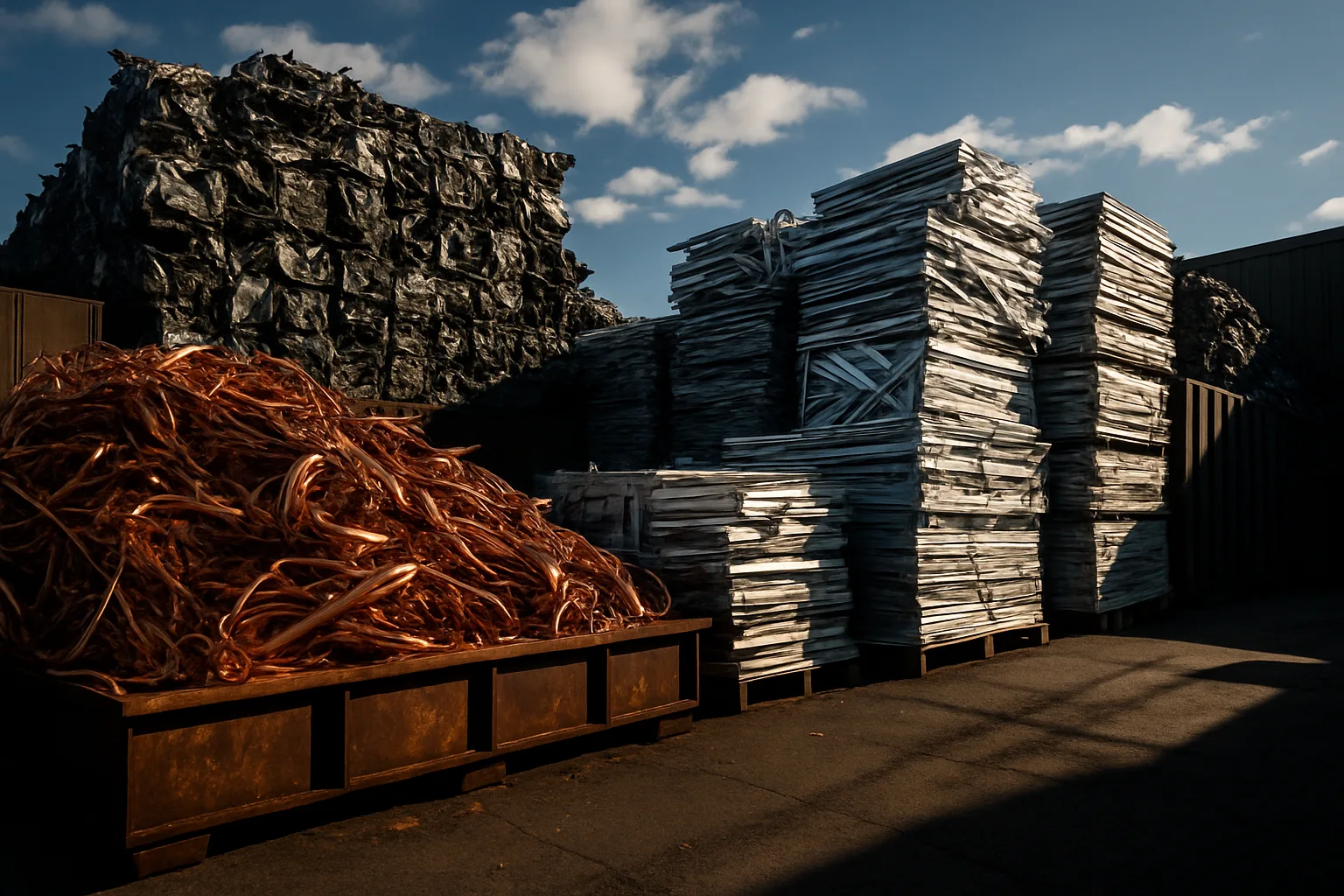
Not all copper is equal. Scrap copper grades range from bare bright (highest purity, highest price) to #2 copper to mixed copper and insulated wire — each priced differently. A load of bare bright copper fetches noticeably more per pound than a mix thrown together. Same goes for aluminum: cast aluminum, sheet aluminum, and aluminum extrusions all carry different values. Knowing these categories — even at a basic level — puts you in a better position at the scale.
- Bare bright copper: Clean, uncoated, unalloyed copper wire — top of the price list
- #1 copper: Clean copper pipe and fittings with no fittings or paint
- #2 copper: Slightly oxidized or with some solder — still valuable, just priced lower
- Insulated wire: Priced based on copper recovery percentage — strip it if the volume justifies it
- Aluminum extrusion vs. cast: Extrusion grades higher; cast aluminum is heavier and priced lower per pound
If you're unsure what you have, platforms like compare scrap metal bids from Canadian buyers — which gives you a reference point before you commit to a single yard's offer.
---2. Check Scrap Metal Prices Before Every Trip — Not Just Once a Month
The copper scrap price today can look very different from what it was two weeks ago. Commodity prices move constantly, driven by global demand, currency shifts, and supply chain dynamics. Small collectors who treat scrap prices like a fixed number end up selling at the wrong time. Those who check prices regularly — even weekly — develop a feel for the market and can time their hauls accordingly.
In Vancouver's market, non-ferrous prices are particularly sensitive to Pacific Rim demand. When industrial activity ramps up in export markets, scrap copper and aluminum prices often respond quickly. That's not a guarantee of higher prices — it's a reason to stay informed rather than assuming today's rate matches last month's.
Here's a basic habit that pays off:
- Check posted prices at two or three local yards before loading your truck
- Look at commodity indices (LME copper, aluminum futures) as a directional guide
- Track your own price history — even a simple spreadsheet helps you spot patterns
- If prices are trending down, consider holding clean non-ferrous for a short period if storage allows
Disclaimer: Scrap metal prices fluctuate daily. Always verify current rates directly with buyers or through platforms that reflect live market data before making selling decisions.
---3. Don't Ignore Catalytic Converters — They're Worth More Than You Think
If you're collecting end-of-life vehicles or pulling parts from scrap cars, catalytic converters are often the most valuable single item in the load. The precious metals inside — platinum, palladium, rhodium — can make a single cat worth hundreds of dollars. But here's what most small collectors get wrong: they sell cats to the first buyer who offers, often without understanding what they're leaving behind.
A catalytic converter auction model changes that dynamic entirely. Instead of one buyer setting the price, multiple vetted buyers compete for your inventory. That competition is what drives better price discovery. Platforms like SMASH facilitate exactly this process — documented converters go to auction, buyers bid based on assay data and serial tracking, and the seller gets a result that reflects actual market demand rather than one yard's margin.
For Vancouver collectors handling volume — even a handful of cats per week — this approach is worth understanding. A few key points:
- Document your cats before selling: photos, serial numbers, VIN lookup where applicable
- Clean cats (no damage, intact substrate) grade higher than damaged or hollow units
- Never sell cats in a bulk mixed pile — grade them by series or type when possible
- Single buyers have no incentive to tell you what your cat is worth; competition does
SMASH's platform includes serial tracking and photo documentation tools specifically built for this. If you're moving cats regularly, that documentation pays for itself in better bids.
---4. Use Multiple Buyers — Stop Relying on One Yard
This is the single biggest habit change small collectors can make. Relying on one yard — even one you've built a relationship with — limits your price exposure to one buyer's margin structure. That yard is a business. They buy low and sell higher. There's nothing wrong with that. But you don't have to accept their first number as the market.
British Columbia has a reasonable concentration of scrap buyers in the Lower Mainland, but scrap metal recycling British Columbia-wide still means many collectors are working with limited local options. The answer isn't to drive further — it's to use platforms that bring buyers to you. Whether you're looking at a scrap metal near me price list or trying to find a scrap metal near me open now, comparing offers beats committing to one automatically.
Practical ways to diversify your buyer base:
- Call two to three yards with your grade and weight estimate before driving anywhere
- Use online platforms to solicit competitive bids on loads with documented inventory
- For non-ferrous and cats specifically, consider auction-based selling for better price discovery
- Track what different buyers pay for the same material — that data has real value over time
More buyers means better price discovery. That's not a theory — it's how markets work. If you've been selling scrap in Vancouver to the same yard every time without checking alternatives, there's a good chance you've been funding their margin.
---5. Document Everything — Your Load Is Only Worth What You Can Prove
Documentation sounds administrative. It's actually a pricing tool. A load of scrap copper with photos, weights, and grade notes commands more confidence from buyers than a verbal description over the phone. Buyers who can see what they're buying before they bid will bid higher — because their risk goes down.
This is particularly true for catalytic converters and non-ferrous loads sold through competitive platforms. SMASH's inventory tool lets sellers build documented listings with photos, weights, serial numbers, and condition notes. That documentation isn't just for compliance — it actively supports better bids from vetted buyers who know exactly what they're purchasing.
For small collectors just starting out, the documentation habit is simple to build:
- Photograph your sorted material before transport
- Note weights at your own scale if you have one, or verify at the yard and keep records
- Track every sale: date, buyer, grade, weight, price per pound, total payout
- For cats: photograph each unit, note visible serial numbers, flag any damage
- Keep bills of lading (BOLs) and packing lists for every significant load
Over time, that record becomes a pricing benchmark. You'll know what your typical loads are worth, which buyers pay consistently well, and when a low offer is genuinely below market. That knowledge compounds — it makes every future negotiation more informed.
If you're ready to put these habits to work, sell your scrap metal in Canada on SellYourScrap or get a fair price for your scrap today by connecting with buyers who compete for your material rather than setting the price unilaterally.
---How SMASH Helps Small Collectors Compete Like the Big Yards
Small-scale collectors often assume auction platforms and competitive bidding are for large commercial yards with massive volumes. That's not how SMASH works. The platform is built for sellers who want transparent pricing and competitive bids — regardless of load size. Whether you're selling a few hundred pounds of copper wire or a batch of documented catalytic converters, the auction format puts multiple vetted buyers in competition for your material.
No subscription fees. No guessing what the market is. Just documented inventory, competitive bids, and auto-invoicing that handles the paperwork. For Vancouver collectors who've been grinding through single-buyer relationships, that's a meaningful shift. You can explore Canadian scrap metal guides to understand how the process works before your first listing.
If you want to understand your local options, check out Vancouver scrap metal services to connect with buyers in your area who are actively looking for your grades.
The old way — one phone call, one buyer, one number take it or leave it — is a system that benefits the yard, not you. Competition changes that. More buyers means the market sets the price, not a single buyer's mood on a Tuesday morning.
Small-scale doesn't mean settling for less. Sort your material, check your prices, document your loads, and let buyers compete for what you've worked to collect. When you're ready to move your next haul, sellyourscrap.ca is where that process starts.
---Frequently Asked Questions
Q: What are current scrap metal prices in Vancouver?
Scrap metal prices in Vancouver fluctuate daily based on global commodity markets and local demand. Copper, aluminum, and catalytic converter values all move independently. Always check with multiple buyers or use a competitive platform before selling — posted prices at individual yards may not reflect the full market. Prices change frequently; verify current rates before your next haul.
Q: How do I find scrap metal buyers near me in Vancouver who are open today?
Most established yards in the Vancouver area post their hours online, but availability can vary. Calling ahead is always smart — particularly for larger loads that require a scale appointment. Platforms like SMASH connect sellers with vetted buyers across British Columbia, which can expand your options beyond what's physically nearby.
Q: Is it worth stripping insulated copper wire before selling scrap?
It depends on volume and the time investment. Stripped bare bright copper prices significantly higher per pound than insulated wire. If you have a substantial quantity of insulated wire, stripping it can meaningfully improve your payout. For small quantities, the time may not justify the effort — ask your buyer for both prices and calculate the difference.
Q: What's the best way to sell catalytic converters as a small collector?
Document each converter with photos and serial numbers, then use a competitive auction platform rather than selling to a single buyer. Single buyers set prices based on their own margin needs. Competitive bidding — through platforms like SMASH — lets the market determine the price, which typically results in better price discovery for the seller.
Q: Do I need to be a registered business to sell scrap metal in British Columbia?
Individual sellers can sell scrap metal in British Columbia, but regulations around metal dealers — particularly for regulated materials like catalytic converters — require documentation of the transaction, including seller identification. Always check current provincial and municipal requirements before selling, as regulations can change. Platforms that handle documentation properly can make compliance straightforward.
---Stay current on scrap metal markets and industry news — follow SMASH on LinkedIn for regular updates on pricing trends, platform features, and insights for Canadian scrap sellers and buyers.