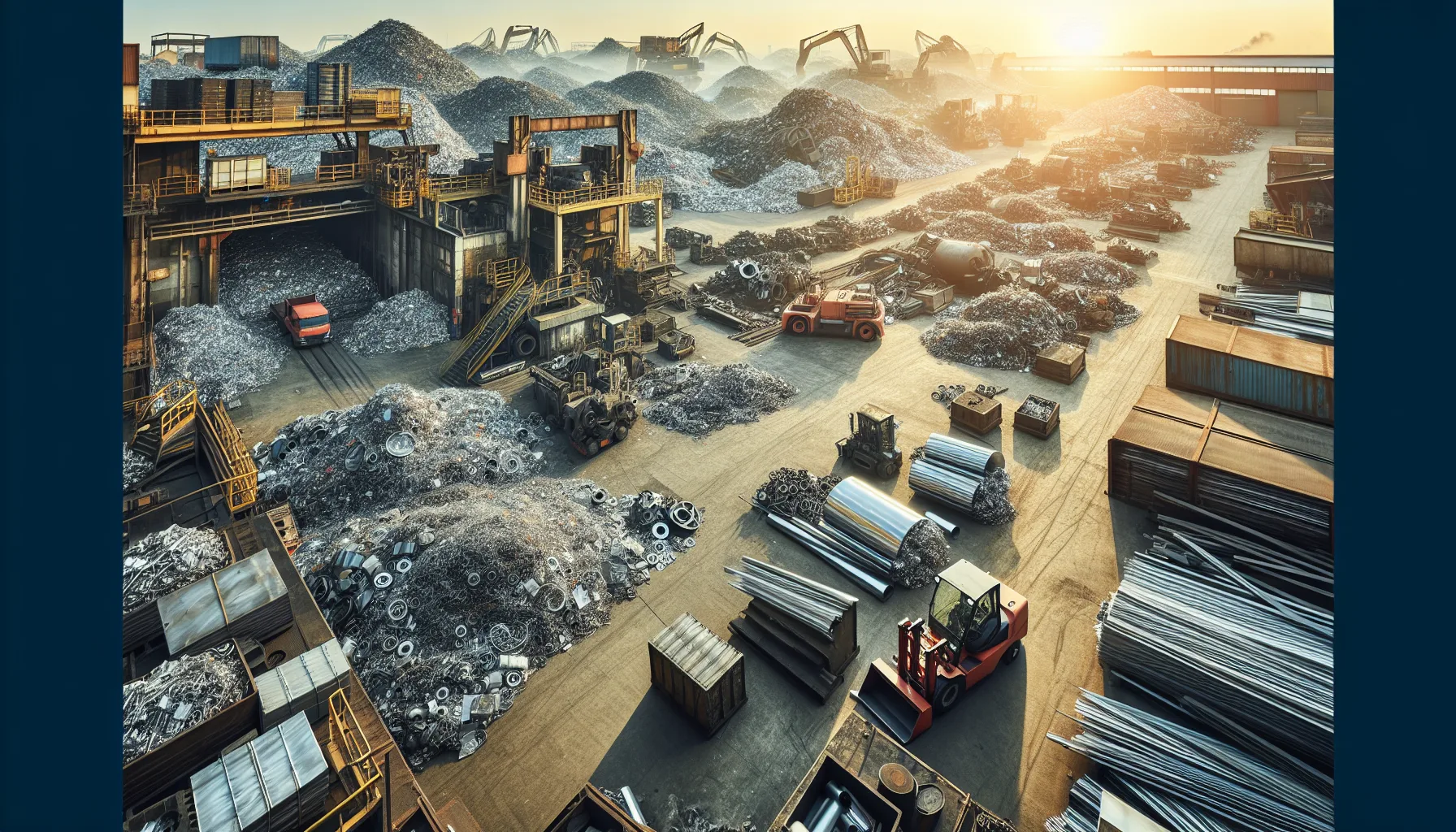
Whether you're cleaning out garages in Nanaimo or collecting construction waste across Vancouver Island, strategic collecting and selling practices can double your earnings per pound. The key lies in understanding which metals command premium prices, when to sell, and how digital platforms like SMASH are revolutionizing fair pricing for Canadian collectors.
Understanding Current Market Conditions for Maximum Profits
The aluminum scrap price today reflects several market forces that small collectors can leverage. Industrial aluminum demand from aerospace and automotive sectors drives pricing, while recycling capacity at local facilities affects regional rates. Smart collectors track these patterns instead of accepting whatever price they're quoted.
Supply chain disruptions continue affecting scrap metal markets in 2026, creating opportunities for collectors who understand timing. When manufacturing ramps up after supply shortages, scrap demand spikes — often lasting several weeks before prices stabilize. Following industry news helps predict these cycles.
British Columbia's proximity to Pacific shipping routes influences metal prices differently than inland provinces. Aluminum heading to Asian markets often commands higher prices due to export demand, while steel pricing reflects North American construction activity. Regional factors matter more than many collectors realize.
Weather patterns also affect collecting opportunities and pricing. Spring construction booms increase steel availability, while winter demolition projects often yield higher-grade materials. Planning your collecting activities around these seasonal patterns maximizes both volume and quality of materials you acquire.
Separating and Grading Metals for Best Scrap Metal Prices Nanaimo
Most small collectors lose 20-40% of potential earnings by selling mixed loads instead of separated, graded materials. Clean aluminum extrusions command premium prices, while contaminated mixed aluminum sells for significantly less. The extra sorting time pays for itself within the first few sales.
Aluminum separation requires understanding different grades that buyers recognize. Clean aluminum sheet and extrusions bring top dollar, while aluminum with steel attachments or paint contamination sells for much less. Removing steel bolts, screws, and brackets before weighing increases your per-pound rate substantially.
Copper grading affects pricing even more dramatically. Bare bright copper — completely clean wire with no insulation or corrosion — commands premium rates. Copper tubing, especially from air conditioning units, falls into different grade categories based on cleanliness and thickness. Taking time to clean and sort copper materials typically doubles earnings compared to mixed copper loads.
Steel separation involves distinguishing between clean steel, prepared steel, and contaminated materials. Heavy melting steel from structural beams brings higher prices than light sheet metal. Removing non-ferrous attachments and ensuring pieces meet size requirements for processing equipment affects final pricing significantly.
Timing Your Sales for Peak Aluminum Scrap Value
Successful small collectors track pricing patterns rather than selling immediately after collecting. Aluminum prices typically cycle over 6-8 week periods, influenced by manufacturing schedules and global commodity markets. Holding material during price dips and selling during peaks can increase earnings by 15-25%.
Month-end and quarter-end periods often see price adjustments as processors balance inventory and meet supply contracts. Many experienced collectors time their sales for the first week of each month when yards have fresh budgets and competitive pricing. Avoiding holidays and industry downtime prevents selling during temporary price depressions.
Monitoring multiple buyers helps identify the best timing for different materials. Some facilities focus on specific metals and offer premium pricing during certain periods. Building relationships with 3-4 different buyers allows you to optimize timing and pricing for each material type.
Digital platforms make timing optimization easier than traditional yard-hopping. Services like sell your scrap metal on SMASH Recycling provide real-time pricing comparisons, eliminating guesswork about when and where to sell for maximum returns.
Leveraging Digital Platforms to Sell Scrap Metal Online
Traditional scrap yards often operate with limited price transparency, making it difficult for small collectors to ensure fair pricing. Online platforms eliminate this information gap by providing current market rates and connecting sellers with multiple buyers simultaneously. This competition drives better pricing for collectors.
SMASH revolutionizes how small collectors access best scrap metal prices British Columbia by creating auction-style bidding among verified buyers. Instead of accepting whatever one yard offers, collectors receive multiple competitive bids for their materials. This approach typically increases earnings by 10-30% compared to traditional selling methods.
Digital selling eliminates many costs associated with traditional collecting. No more driving yard-to-yard burning fuel and time comparing prices. No more accepting low-ball offers because you've already invested time getting to a specific location. Online platforms let you evaluate options from home and choose the best offer.
Photo-based material assessment streamlines the selling process while ensuring accurate pricing. Quality photos showing material cleanliness, quantity, and grade help buyers provide accurate quotes. This transparency benefits both parties and reduces disputes about pricing when materials are delivered.
Building Efficient Collection Routes in Nanaimo Areas
Successful small-scale collectors develop systematic approaches to material acquisition rather than randomly driving around looking for scrap. Establishing regular routes through industrial areas, construction zones, and residential neighborhoods increases efficiency and material quality.
Nanaimo's industrial waterfront area provides consistent opportunities for marine-grade aluminum and stainless steel materials. Boat repairs, dock maintenance, and marine construction generate high-value materials that many collectors overlook. Building relationships with marine businesses can provide steady material sources.
Construction and renovation activity throughout Nanaimo creates predictable material availability. Following building permit databases helps identify upcoming projects that will generate scrap materials. Contacting contractors before projects begin often secures material pickup agreements that benefit both parties.
Residential collection routes work best when systematically planned around garbage collection days and seasonal activities. Spring cleaning, home renovations, and appliance replacements follow predictable patterns. Establishing regular routes through different neighborhoods maximizes collecting efficiency.
Commercial and industrial areas require different approaches than residential collecting. Manufacturing facilities, auto repair shops, and HVAC contractors generate valuable materials regularly. Professional relationships with these businesses often lead to exclusive material pickup agreements that provide steady income streams.
Maximizing Value Through Strategic Stockpiling and Storage
Small collectors often sell too quickly instead of accumulating sufficient quantities to negotiate better pricing. Most buyers offer improved rates for larger loads, making strategic stockpiling profitable despite storage requirements. Understanding minimum quantities for premium pricing helps plan collection and sales activities.
Proper storage prevents material degradation that reduces value over time. Aluminum oxidizes when exposed to moisture, while steel rusts if not stored properly. Covered storage areas with good ventilation maintain material quality during accumulation periods. The investment in storage infrastructure pays for itself through higher material values.
Different metals require different storage considerations. Copper should be kept dry and separated by grade to prevent contamination. Aluminum benefits from indoor storage to prevent oxidation. Steel can tolerate outdoor storage if properly elevated and covered. Understanding storage requirements for each material type prevents value loss.
Security considerations become important when accumulating valuable materials. Copper theft remains common, making secure storage essential for maintaining inventory. Simple security measures like lighting, fencing, and strategic storage location selection protect accumulated materials from theft.
Inventory management helps optimize selling timing and material tracking. Simple spreadsheets recording material types, quantities, acquisition dates, and current pricing help identify optimal selling opportunities. Regular inventory reviews ensure materials are sold before degradation reduces their value.
When you're ready to turn your accumulated materials into cash, you can sell your scrap metal in Canada on SellYourScrap for competitive pricing and convenient pickup services. Professional buyers understand the effort that goes into quality material collection and preparation.
Understanding Regional Pricing Variations and Transportation Costs
Scrap metal pricing varies significantly between different regions of British Columbia, creating opportunities for collectors willing to transport materials strategically. Vancouver's larger processing facilities often offer higher prices than smaller regional buyers, but transportation costs must be factored into profitability calculations.
Island locations like Nanaimo face unique transportation challenges that affect local pricing. Materials destined for mainland processing facilities incur ferry costs, which buyers typically reflect in their offered prices. Understanding these logistics helps collectors make informed decisions about where to sell different materials.
Volume considerations affect transportation economics significantly. Small loads rarely justify long-distance transportation, while accumulated larger quantities can make regional price shopping profitable. Calculating break-even points for transportation helps optimize selling decisions.
Coordinating with other collectors can improve transportation economics through shared loads. Organizing group sales or coordinating pickup timing can reduce per-pound transportation costs for everyone involved. Collaborative approaches often benefit small collectors competing against larger operators.
Digital platforms help overcome regional pricing limitations by connecting local collectors with distant buyers willing to handle transportation arrangements. Services like SMASH can arrange pickup from collectors in Nanaimo for delivery to buyers offering premium pricing elsewhere in British Columbia.
For collectors ready to maximize their earnings through strategic selling, you can get a fair price for your scrap today with transparent pricing and professional service. Quality materials deserve quality buyers who recognize the value of properly prepared scrap metal.
Building Long-Term Relationships with Buyers and Suppliers
Successful small collectors develop networks that provide both consistent material sources and reliable buyers. These relationships often prove more valuable than individual transactions, creating steady income streams and preferential pricing arrangements. Building trust takes time but generates long-term profitability.
Regular communication with buyers helps collectors understand their specific needs and preferences. Some facilities prefer certain material grades or minimum quantities. Others focus on specific metals during certain periods. Understanding buyer preferences allows collectors to tailor their activities for maximum profitability.
Material suppliers — contractors, businesses, and individuals — appreciate reliable pickup services. Small collectors who provide consistent, professional service often receive exclusive access to valuable materials. Reputation matters in the scrap metal business, where referrals drive significant business growth.
Industry knowledge sharing benefits everyone involved in the scrap metal ecosystem. Experienced collectors often share insights about market trends, material sources, and buyer preferences with newcomers. Participating in industry networks provides valuable education and business opportunities.
Technology platforms facilitate relationship building by providing reliable communication channels and transaction records. Digital platforms like SMASH maintain buyer and seller ratings, helping build trust and facilitate repeat business relationships. These systems benefit honest, professional participants.
For additional insights and industry updates, explore Canadian scrap metal guides covering market trends, best practices, and regulatory updates affecting collectors throughout British Columbia and other provinces.
Frequently Asked Questions
Q: How often should I check aluminum scrap price today to optimize my selling timing?
Check aluminum prices at least twice weekly, as they can fluctuate based on global commodity markets and local demand. Many successful collectors monitor prices Monday and Thursday to identify trends and plan their sales for optimal timing. Price tracking apps and industry websites provide real-time updates.
Q: What's the minimum quantity needed to get best scrap metal prices Nanaimo?
Most Nanaimo buyers offer improved pricing for loads exceeding 500 pounds, with significant premiums starting around 1,000 pounds. However, clean, separated materials often command premium pricing even in smaller quantities. Quality and preparation matter more than volume for high-value metals like copper and aluminum.
Q: Is it worth it to sell scrap metal online versus visiting local yards?
Online platforms typically provide 10-30% higher returns through competitive bidding among multiple buyers. They eliminate transportation costs for price shopping and provide transparent pricing information. However, very small quantities might be more efficiently sold locally to avoid pickup minimums.
Q: How can small collectors compete with large scrap operations for materials?
Small collectors succeed by focusing on relationships, service quality, and specialized materials that large operations overlook. Providing reliable pickup services, fair pricing for small quantities, and personal attention often wins business from individuals and small businesses who value service over scale.
Q: What storage space do I need to start small-scale scrap collecting in British Columbia?
A standard two-car garage provides sufficient space for most small collectors starting out. Covered outdoor areas work for steel storage, while copper and aluminum benefit from indoor storage. Proper organization and material separation require more space than simple accumulation, so plan for sorting areas alongside storage.
Smart small-scale collecting combines market knowledge, strategic timing, and efficient operations to generate substantial returns from scrap metal sales. Whether you're starting with weekend collecting or building a part-time business, success comes from understanding materials, markets, and relationships that drive the industry.
Ready to maximize your scrap metal earnings? Sell your scrap metal in Canada — request a pickup at sellyourscrap.ca for competitive pricing and professional service that respects the work you put into quality material collection.
Follow SMASH on LinkedIn for industry updates and scrap metal market insights that help collectors stay ahead of pricing trends and market opportunities.