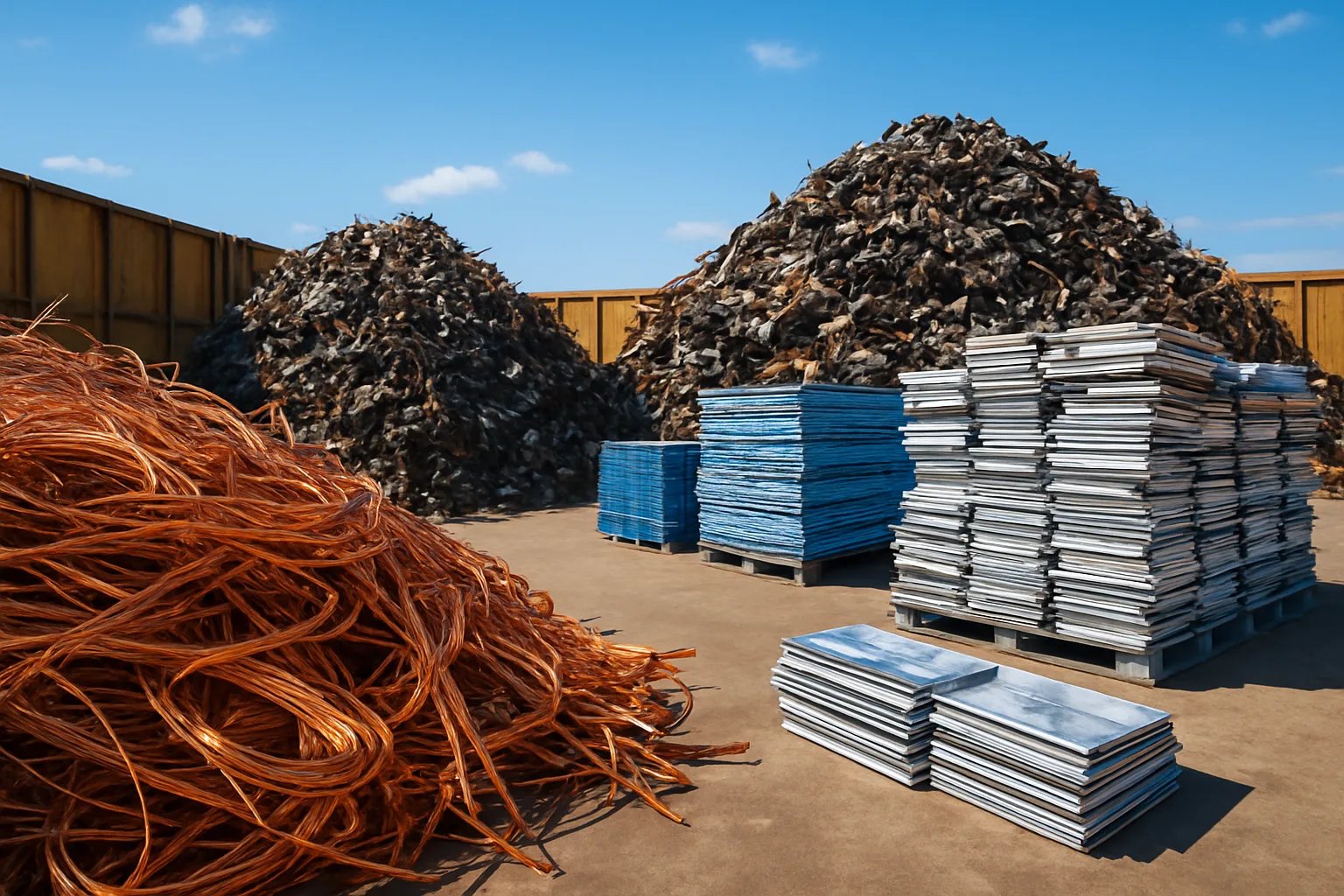
Most people toss a dead alternator in the corner of the shop and forget about it. That's money sitting in a pile of rust. Auto parts like radiators, alternators, starters, and copper-wound motors are packed with recoverable metal — copper, aluminum, steel, and cast iron — and yards across New Brunswick are paying real money for them right now.
If you're tracking copper scrap prices in Saint John and wondering whether your pile of auto parts is worth the trip, the short answer is yes. But knowing why those parts have value — and how the recycling process actually works — helps you sort smarter, price your loads better, and stop leaving cash on the table.
This is a practical breakdown of how auto parts move from your yard to a buyer's furnace, what metals come out of each component, and how platforms like SMASH Recycling — where verified buyers bid on your metal help sellers get real market value instead of a single low-ball offer.
What's Actually Inside Common Auto Parts
Auto parts aren't just scrap steel. The reason buyers compete for certain components comes down to their metal content — and some of it is worth significantly more per pound than bare iron.
Here's a quick breakdown of what's recoverable from the most common auto parts:
- Radiators: Copper-and-brass radiators (older vehicles) are among the most valuable auto parts you'll pull. Aluminum radiators (most vehicles made after the mid-1990s) still command solid prices as clean aluminum. Some radiators are "dirty" — still attached to plastic end tanks or with steel fittings — which affects your price category at the yard.
- Alternators: These contain copper windings, steel housing, and aluminum components. A complete alternator is typically sold by weight as a complete unit. Some buyers prefer them whole; others want them cracked open. Know your buyer before you strip.
- Starters: Similar to alternators — copper windings inside a steel housing. Heavier per unit than most people expect. A pile of starters adds up fast.
- Electric motors (window motors, wiper motors, HVAC blower motors): These are copper-wound and often sell as "electric motors" rather than individual auto parts. The category matters because it affects pricing.
- Copper wire and harnesses: Stripped wire is worth considerably more than unstripped. But stripping wire has legal nuances in some provinces — know the rules in New Brunswick before you start burning or stripping.
- Cast iron components (brake drums, rotors, engine blocks): Lower price per pound, but high volume. If you're doing high-turnover dismantling, cast iron adds up in tonnage.
The key takeaway: sorting matters. A mixed load of auto parts is worth less per pound than sorted, categorized metal. Most yards in Saint John will price your load higher if you show up with radiators separated from steel, and copper wire bagged separately from motors.
How Auto Part Recycling Actually Works — From Pull to Furnace
Here's the path a dead radiator takes from your yard to its final destination.
Step 1 — Depollution. Before any auto part gets processed, fluids get removed. Coolant, oil, transmission fluid — these are hazardous and have to be handled properly before metal can be melted. Most dismantlers and yards in Saint John handle this on-site. If you're bringing parts in from your own dismantling operation, make sure you're following New Brunswick environmental handling requirements. This isn't optional.
Step 2 — Sorting and grading. This is where the value gets defined. A copper-brass radiator, a clean aluminum radiator, and a dirty radiator with plastic tanks are three different products at three different prices. Yards use their own grading systems (often tied to ISRI grades), and knowing the terminology — #1 copper, #2 copper, clean aluminum radiator, dirty aluminum — means you can have an informed conversation about your load instead of just accepting whatever number someone gives you.
Step 3 — Processing. Larger yards run auto parts through shredders and eddy current separators that mechanically sort ferrous from non-ferrous metal. Smaller operations process by hand. Either way, the goal is to separate metals into streams that can go to the right buyers.
Step 4 — Sale and logistics. Processed non-ferrous metal (copper, aluminum, brass) typically moves to secondary smelters. Ferrous material goes to steel mills. The logistics chain — weights, BOLs, packing lists — matters as much as the material itself. Buyers want documentation. That's exactly where good scrap metal inventory management pays off for the seller.
Step 5 — Smelting and reuse. The copper out of your alternators could end up in new wiring. The aluminum from your radiators could come back as engine components. Metal recycling is a closed loop — and being part of that loop means your scrap has a real destination and real demand driving the price.
Copper Scrap Prices in Saint John — What Drives the Number
If you're trying to understand copper scrap prices in Saint John, you have to understand what moves the needle on copper globally, then work backward to what a local yard is actually paying.
Copper prices are set internationally — LME (London Metal Exchange) pricing is the benchmark. Local yards in Saint John then apply a spread based on their processing costs, logistics to the nearest secondary smelter, and current demand from their buyer network. What you receive is the market price minus that spread.
Several factors affect the spread:
- Material purity and grade. Clean #1 copper (bare bright wire, no insulation, no solder) gets the best price. #2 copper (tinned, soldered, or slightly contaminated) gets a lower rate. Know which grade your material fits before you walk in.
- Volume. Yards move better on pricing when you're selling weight. A single alternator gets a different conversation than a half-tonne load of copper-wound motors.
- Market timing. Copper is volatile. It can swing meaningfully in a short period based on global manufacturing demand, energy policy shifts, and currency movements. Checking rates before you sell — not the morning of — gives you context.
- Buyer competition. This is the factor most sellers ignore. A single buyer quoting your load sets the price. Multiple buyers bidding on it discovers the price. That difference is real money, especially on larger loads.
Platforms like SMASH bring vetted buyers into competition on your load. Instead of calling one yard and hoping they're fair, your material gets in front of multiple buyers — and the market tells you what it's worth. For sellers managing regular volumes of auto parts, that price discovery is one of the most valuable things you can access. If you want to get a fair price for your scrap today, starting with competitive quotes is the right move.
A Real-World Scenario: How Sorted Auto Parts Perform at Auction
Here's a realistic example of how sorting and documentation change the outcome. This isn't a fabricated testimonial — it's a walk-through of what happens when a seller does the work upfront versus just showing up with a mixed load.
Seller A brings in a mixed trailer of auto parts — radiators, alternators, starters, wire, rotors, and a few engine blocks all together. The yard sorts it on-site. The seller gets paid on the yard's sort weight and grade — which may or may not match what the seller expected. No documentation, no way to verify grades. The yard takes the spread for doing the sort work.
Seller B pre-sorts their load. Copper-brass radiators in one section. Aluminum radiators in another. Alternators and starters counted and staged. Wire separated and bagged by type. They photograph the load before it ships, log the estimated weights by category, and have a basic packing list ready. When they put that load on a platform with multiple buyers, each buyer can actually bid on what they're getting — not just a mystery trailer. Buyers price uncertainty with a discount. Documentation reduces that discount.
That process — documenting, photographing, and listing loads clearly — is core to how scrap metal inventory management pays off. It's not administrative busywork. It's what gets you from the low bid to the real bid. You can explore Canadian scrap metal guides to get deeper into how to structure your loads for better outcomes.
Scrap Metal Prices in Saint John — Getting the Most from Your Auto Parts
Saint John's industrial base and port access make it a practical location for scrap logistics. If you're a dismantler, a shop, or a yard operator in the area, you're close enough to serious buyers that logistics don't have to eat your margin.
A few practical tips for sellers moving auto parts in Saint John:
- Don't mix your grades. If a load arrives mixed, the yard grades the whole thing to the lowest common denominator. Sort it, even roughly, before it leaves your site.
- Get current rates before you book a pickup. Scrap metal prices in Saint John move with the market. A rate you were quoted two weeks ago may not be today's number. Always confirm before you commit a load.
- Document your loads. Weights, photos, part types — all of it. This protects you in disputes and gives buyers confidence to bid higher when they know what they're getting.
- Ask how buyers want their material. Some buyers prefer complete alternators. Others want them cracked. Knowing this before you strip a load can mean the difference between the right price category and the wrong one.
- Use competitive sourcing. If you're buying auto parts to process, understanding how to purchase scrap metal from the right sources — estates, dealerships, garages, dismantlers — determines your input cost. Your margin lives between what you pay and what multiple buyers will bid.
For sellers outside Saint John who are further afield — if you're searching scrap metal pickup in Barrie or anywhere else across Canada — the same principles apply. Sorted, documented, competitively quoted. The geography changes. The fundamentals don't.
If you're ready to stop guessing and start selling at market, sell your scrap metal in Canada on SellYourScrap and get your loads in front of buyers who actually compete for them. You can also connect with Saint John scrap metal services directly for local pickup options.
Disclaimer: Metal prices fluctuate daily based on global market conditions. Always check current rates before selling. The price ranges referenced in this article are general in nature and not guarantees of what you will receive.
Frequently Asked Questions
Q: What are copper scrap prices in Saint John right now?
Copper prices change daily based on global LME rates and local yard spreads. To get current copper scrap prices in Saint John, contact local yards directly or use a platform like SMASH where vetted buyers submit competitive bids on your material. Checking rates the day you plan to sell — not days before — gives you the most accurate picture.
Q: Are alternators and radiators worth bringing to a scrap yard?
Yes. Radiators and alternators contain copper, aluminum, and steel — all recoverable and sellable. Copper-brass radiators are among the more valuable auto parts per pound. Alternators sell well as complete units or, depending on the buyer, broken down for their copper windings. Sort them separately from your steel to get the right price category.
Q: Do I need to drain fluids before scrapping auto parts in New Brunswick?
Yes. Fluids like coolant, oil, and transmission fluid must be removed before metal is processed. New Brunswick has environmental handling requirements for automotive fluids. Most legitimate yards and dismantlers handle depollution, but if you're doing your own dismantling, make sure you're complying with provincial regulations before material leaves your site.
Q: How does scrap metal inventory management help me get better prices?
Buyers price uncertainty with a discount. When you show up with a sorted, documented load — photos, weight estimates, part types listed — buyers can bid with confidence. That confidence translates into higher bids. Platforms like SMASH use documentation as the foundation for their auction process because it's what enables real price competition.
Q: Can I request a scrap metal pickup in Saint John?
Yes. Depending on your volume and location, pickup options are available. Visit sellyourscrap.ca to request a pickup and connect with buyers across Canada who are actively sourcing material. Larger loads generally get faster responses and more competitive offers.
Sell your scrap metal in Canada — if you've got auto parts sitting in your yard, now is the time to sort them, document them, and get them in front of buyers who compete for your material. Request a pickup at sellyourscrap.ca and find out what your loads are actually worth.
Stay current on scrap metal market movements and recycling industry insights — follow SMASH on LinkedIn for updates that matter to Canadian sellers and buyers.