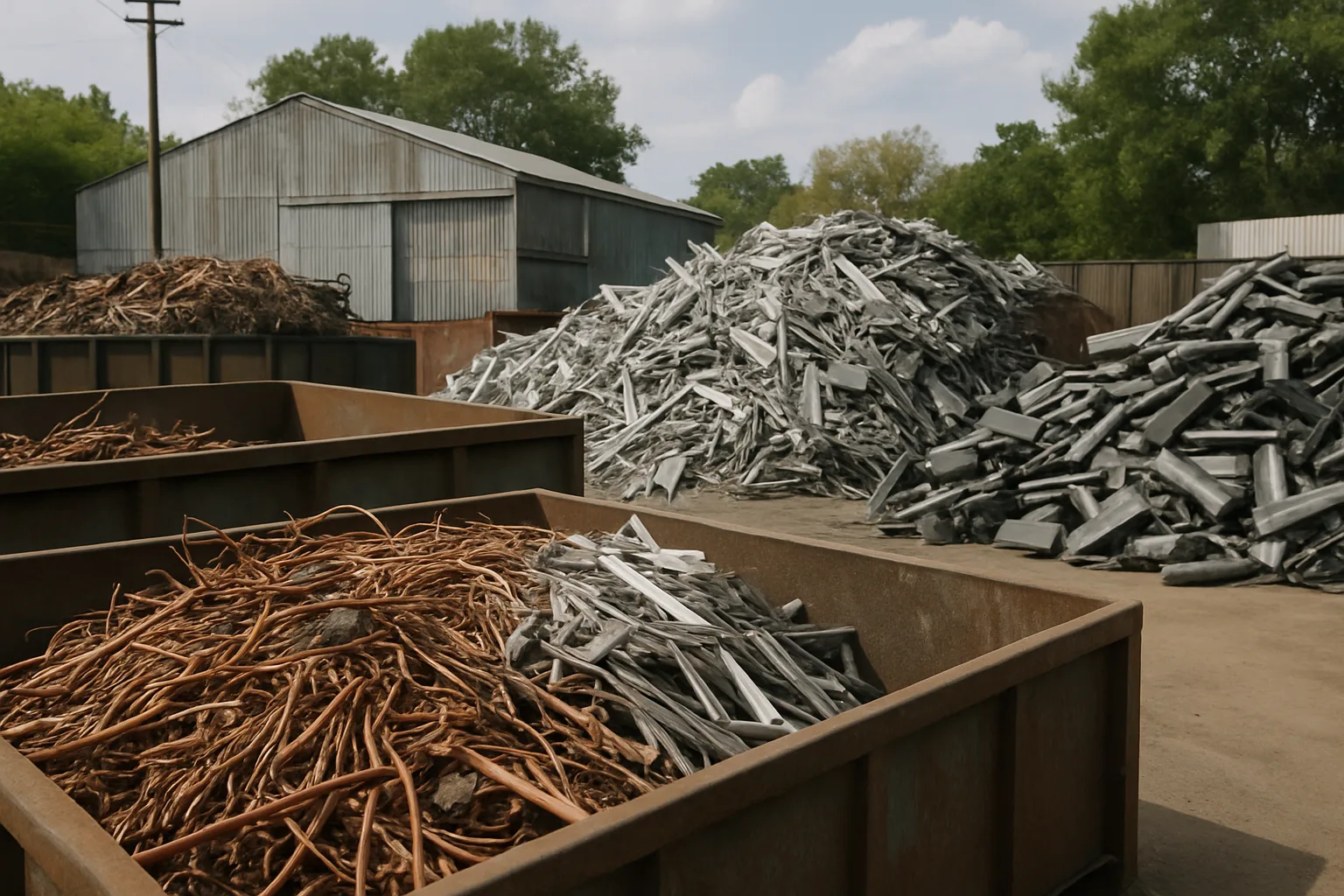
Most people lumping brass and bronze together are leaving money on the table. These two alloys look similar, feel similar, and often end up in the same bin at your yard — but they price differently, they attract different buyers, and knowing which one you have changes your entire approach to selling. If you're moving non-ferrous loads through a B2B scrap metal marketplace, getting this right matters.
This guide breaks down what brass and bronze actually are, where you're most likely to find them (in volume), and what they're worth in today's Canadian market. Whether you're a recycling yard in Richmond sorting mixed loads or a contractor in Toronto pulling plumbing fixtures off a gut job, this applies to you.
---Brass and Bronze: The Real Difference
Both are copper alloys. That's where the similarity ends. Brass is copper mixed with zinc — typically 60–90% copper depending on the grade. Bronze is copper mixed with tin, and sometimes aluminum, silicon, or manganese. The composition shift changes everything: color, density, melting point, and scrap value.
Brass tends to be more yellow. Bronze leans more reddish-brown or golden, depending on the alloy. But color alone won't save you — some brass grades run reddish, and some bronze alloys can fool a quick glance. If you're moving volume, get a handheld XRF analyzer on the load. Guessing grade costs you money. On a scrap metal auction platform, documented grade and composition gets you better buyer engagement and stronger bids.
Here's a quick breakdown of common grades you'll encounter:
- Yellow Brass — the most common. Think faucets, valves, cartridge casings, door hardware.
- Red Brass — higher copper content. Plumbing fittings, fire hydrant components, older water meters.
- Semi-Red Brass — middle ground. Common in industrial valves and pump housings.
- Bronze (Tin Bronze) — bearings, bushings, marine hardware, sculptures.
- Aluminum Bronze — used in heavy-duty industrial applications. Harder to find but worth sorting.
- Silicon Bronze — welding alloys, marine hardware. Less common in recycling streams.
Each grade has a different copper content, and copper content drives price. Know what you have before you quote it.
---Where to Find Brass and Bronze Scrap (In Real Volume)
These alloys don't come in obvious big chunks. You build a load from multiple streams. If you're not actively looking for them, they end up misgraded in mixed metal bins at a fraction of their value.
Demolition and Construction Sites
Older buildings are loaded with brass. Pre-1990s plumbing used brass fittings almost exclusively. Gate valves, ball valves, pressure regulators, angle stops — all brass. A full gut job on a 1970s commercial building in Richmond or Greater Vancouver can yield hundreds of pounds of red and yellow brass just from the mechanical room. Contractors and demolition crews are a natural source if you're buying or aggregating loads.
Industrial Equipment and Machinery
Retired industrial equipment is one of the best sources for bronze. Bushings and sleeve bearings in heavy machinery are almost always bronze — it's the standard material for load-bearing surfaces that need lubrication. When a factory decommissions equipment, those bearing housings, worm gears, and pump impellers come out as high-value bronze scrap. Manufacturing facilities across British Columbia generate this material regularly during equipment upgrades or shutdowns.
Plumbing Wholesale and Contractor Returns
Plumbing wholesalers accumulate defective, returned, and obsolete brass fittings. So do mechanical contractors. If you're running a yard and not talking to local HVAC and plumbing contractors, you're missing a consistent source of clean yellow and red brass. These loads often come pre-sorted, which cuts your processing time.
Automotive and Marine
Older vehicles carry brass in radiators (particularly classic cars with copper-brass radiators), fuel system components, and some electrical connectors. Marine applications use bronze heavily — propellers, through-hull fittings, shaft bearings. If you're near a marina or boat repair yard, that's a consistent bronze source worth pursuing.
Municipal and Utility Infrastructure
Water meters are a high-value brass source. Municipalities replacing aging infrastructure pull thousands of brass water meters — each one weighing a pound or two of red or semi-red brass. Fire hydrant parts, backflow preventers, and service saddles are also brass-heavy. Building relationships with utility contractors is worth the effort if you're looking to move volume through a B2B scrap metal marketplace.
Scrap from Other Scrap
Mixed loads hide value. Electric motors have bronze bearings. Old plumbing fixtures bundled into a mixed metal bin contain brass bodies. Sorting those loads before you price them — even rough hand-sorting — changes your margin on non-ferrous significantly. Platforms like smashrecycling.ca let you document and list separated grades, so buyers see what they're bidding on and you get price discovery that reflects the actual content.
---What Brass and Bronze Scrap Are Worth in Canada
Pricing for brass and bronze tracks copper. When copper moves, these alloys move with it. As of mid-2026, copper has been trading in ranges that keep non-ferrous recovery profitable — but the spread between grades is significant, and that spread is where you make or lose margin.
General Canadian market ranges (in CAD per pound) tend to look like this, though prices shift weekly:
- Yellow Brass — typically 60–70% of the copper price per pound
- Red Brass — typically 70–80% of copper price, reflecting higher copper content
- Semi-Red Brass — between yellow and red, depending on composition
- Tin Bronze (bearings/bushings) — can match or exceed red brass pricing depending on grade and cleanliness
- Aluminum Bronze — varies widely by alloy composition; requires XRF confirmation for accurate pricing
Disclaimer: Scrap metal prices fluctuate daily based on commodity markets, exchange rates, and regional demand. Always check current rates before committing to a sale. The figures above are illustrative ranges only.
The difference between a clean load of red brass and a mixed bin of ungraded non-ferrous can be significant per pound. If you're moving material regularly, investing in proper sorting and documentation pays for itself fast.
For yards and sellers in Richmond looking to maximize what they're getting on brass and bronze loads, Richmond scrap metal services through SellYourScrap connect you with buyers who are actively looking for this material — not just whoever picks up the phone first.
---Why Selling Brass and Bronze Through a B2B Scrap Metal Marketplace Gets You Better Outcomes
The old way: one phone call to your regular buyer, accept their number, load the truck. It's simple. It's also a guaranteed way to leave money behind. When one buyer sets the price with no competition, you're accepting their margin — not yours.
A scrap metal auction platform changes the dynamic. Documented loads — grade confirmed, photos attached, weights verified, BOLs ready — attract multiple vetted buyers competing for the material. Competition reveals what the market will actually pay. That's not a promise of higher prices on every load. It's a structural improvement over a single-buyer conversation.
SMASH is built specifically for this. No subscription fees. Vetted buyers. Auction format that creates real price discovery on your brass, bronze, and other non-ferrous loads. The platform handles auto-invoicing, photo documentation, and serial or grade tracking — so when a buyer looks at your listing, they have confidence in what they're bidding on. Confidence translates to stronger bids.
If you're a yard or aggregator in British Columbia moving non-ferrous regularly, putting your brass and bronze loads on SMASH instead of defaulting to one buyer is a straightforward way to test whether you're getting market value. You might find out you are. You might find out you aren't.
Either way, you know.
---Preparing Your Brass and Bronze Load to Maximize What You Get
Prep work isn't glamorous, but it's where margin lives. A load of clean, sorted, documented brass commands a different price than a pile of mixed non-ferrous with unknown composition. Here's what actually moves the needle:
- Sort by grade. Keep yellow brass separate from red brass. Keep bronze bearings separate from brass fittings. Each grade prices differently.
- Remove steel and iron contamination. Attached iron hardware — bolts, brackets, inserts — gets deducted heavily. Pull it off before you weigh the load.
- Document with photos. Before and after sorting. Show the material clearly. Buyers bid with more confidence on documented loads.
- Confirm grade with XRF if you're in volume. Handheld analyzers pay for themselves fast when you're moving significant non-ferrous tonnage.
- Know your weights before you list. Estimated weights are fine for early conversations, but confirmed weights close deals faster.
- Clean is better than dirty. Non-ferrous loads with minimal contamination attract more buyers and better pricing. It's worth the extra sort time.
Whether you're selling scrap metal in Canada on SellYourScrap or moving loads through an auction platform, the same principle applies: documented, sorted material gives you leverage. Unsorted mixed bins give you whatever the buyer feels like offering.
---Brass and Bronze Scrap in the Canadian Recycling Market
Canada's non-ferrous recycling market is mature, competitive, and tied tightly to global copper pricing. Yards in Richmond and across British Columbia are part of a supply chain that ultimately feeds smelters and secondary processors competing globally. That means your brass and bronze isn't just local — it's priced against international demand.
That's actually good news for sellers. Strong global copper demand keeps non-ferrous recovery margins healthy. It also means more buyers are looking for quality, documented loads of brass and bronze — which is exactly what a scrap metal recycling British Columbia seller can offer if they're doing the prep work.
SMASH connects sellers in Richmond, Toronto, and across the country with buyers who are actively in the market. Whether you're a first-time seller with a truckload of brass fittings or a yard moving bronze bearings out of decommissioned equipment, the platform is built to handle it. Explore Canadian scrap metal guides to understand how to position different non-ferrous grades effectively.
Ready to stop guessing what your brass and bronze is worth? Get a fair price for your scrap today — request a pickup or get started at sellyourscrap.ca, and let the market tell you what your material is actually worth.
---Frequently Asked Questions
Q: How do I tell brass from bronze without a tester?
Color is a rough guide — brass tends to be more yellow, bronze more reddish or golden — but it's unreliable for pricing decisions. Application context helps: bearings and bushings are almost always bronze; plumbing fittings and valves are usually brass. For volume loads, an XRF analyzer is the only reliable way to confirm grade and composition before pricing.
Q: Is it worth separating brass and bronze before selling, or should I just sell it mixed?
Separation almost always pays. Mixed non-ferrous gets priced at the lowest common denominator — whatever the buyer thinks the blend averages out to. Separating by grade lets you price each material at its actual value. The time investment in sorting is typically recovered in the price difference, especially on larger loads.
Q: Can I sell brass and bronze scrap through a B2B scrap metal marketplace even if I'm not a large yard?
Yes. Platforms like SMASH work for recycling yards, contractors, industrial facilities, and aggregators — not just high-volume operations. If you have a documented load of brass or bronze, there are vetted buyers looking for it. Volume helps, but it's not a hard floor for participation.
Q: Where can I sell scrap metal in Richmond, British Columbia?
Richmond has active non-ferrous buyers and recycling yards serving Greater Vancouver. For competitive pricing on brass and bronze specifically, connecting through a B2B marketplace gives you access to more than just local buyers. SellYourScrap's Richmond scrap metal services are a good starting point for local sellers who want fair market pricing without the guesswork.
Q: How often do brass and bronze scrap prices change in Canada?
Prices shift daily with copper markets and can move significantly week to week based on exchange rates, global demand, and regional supply. Always check current rates before committing to a sale. Listing through an auction platform gives you real-time price discovery rather than relying on a single buyer's quote, which may lag the market.
---Stay sharp on non-ferrous markets and Canadian scrap pricing — follow SMASH on LinkedIn for regular industry updates and scrap metal market insights.