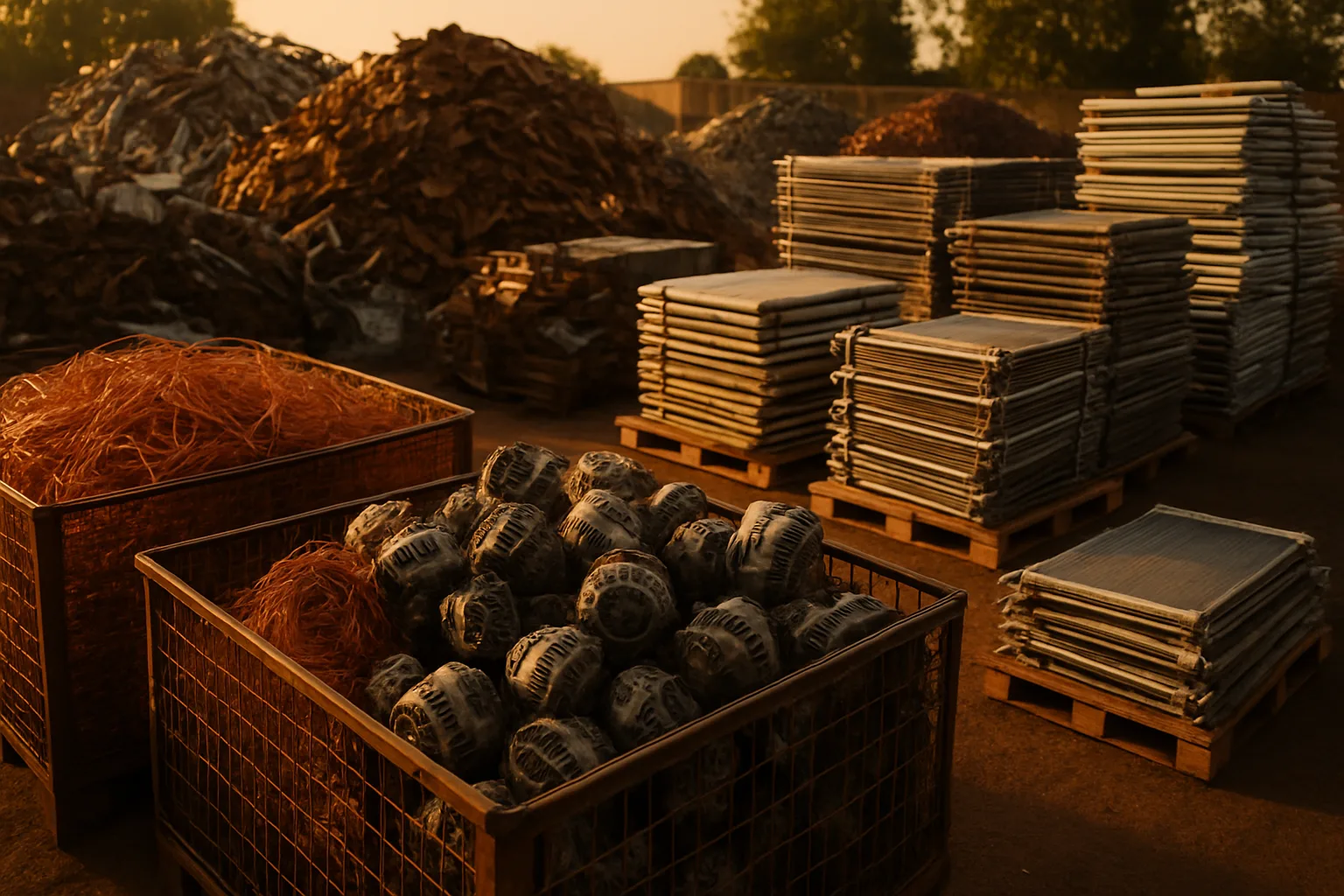
Most people hand over a junked car and never think twice about what happens next. But inside that old vehicle are components worth real money — and understanding how they're broken down can help you sell smarter. Radiators and alternators aren't just parts. They're packed with copper, aluminum, and steel that recyclers actively want. Knowing what's inside them is the first step to not leaving money on the table.
Whether you're clearing out a garage in Corner Brook or running a small auto dismantler in Newfoundland and Labrador, this guide walks you through exactly how these parts get recycled — and how to make sure you're getting a fair return when you sell. Platforms like the SMASH Recycling auction platform are changing how scrap metal moves in Canada, bringing real competition to a market that used to run on handshake deals and low-ball phone quotes.
---Why Radiators and Alternators Are Worth More Than You Think
These aren't junk parts. A typical copper-brass radiator can contain a meaningful amount of recoverable copper — one of the most consistently valuable metals in the recycling stream. Aluminum radiators, which became standard in most vehicles after the mid-1990s, carry a different profile: lighter, still valuable, but processed differently than their brass counterparts.
Alternators are a different animal. The core of an alternator — the stator winding — contains copper wire. The housing is typically aluminum or cast iron. Recyclers strip these components or sell them as whole cores, depending on the volume and their processing capability. If you're selling a single alternator, most yards will buy it as a core. If you're moving volume, processors will want them stripped.
Here's what's typically recoverable from each:
- Copper-brass radiators: Copper fins, brass tanks, steel end caps — three different metals in one part
- Aluminum radiators: Aluminum fins and tanks, plastic end caps (non-recoverable), sometimes copper in the fittings
- Alternators (whole core): Bought by weight as a core, then processed downstream
- Stripped alternators: Copper wire extracted from stator, aluminum or iron housing sold separately
Understanding this breakdown matters when you're negotiating with a buyer. A yard quoting you "radiator price" might be lumping everything together. A competitive scrap metal auction environment forces buyers to price what they're actually getting.
---The Recycling Process — Step by Step
Once a radiator or alternator leaves your hands, it enters a processing chain that's more involved than most people realize. The steps vary depending on scale, but the general flow looks like this:
Step 1: Sorting and Initial Assessment
The first thing a recycler does is identify the material type. Copper-brass radiators go in one pile. Aluminum radiators go in another. Mixed contamination — like plastic tanks still attached — affects value. Clean, separated parts always fetch better returns. This is true whether you're dropping material at a scrap yard downtown or arranging a commercial pickup.
Step 2: Preparation and Cleaning
Radiators often come in with coolant residue, rubber hoses, and steel brackets still attached. Most buyers want the steel end caps removed if possible, and coolant drained. A radiator sold "as-is" with the plastic tanks attached will be graded lower. This prep work doesn't take long, and it directly affects your payout. Know your grade before you sell.
Step 3: Mechanical Processing
Larger processors run radiators through shredders or hammer mills to separate the metal streams. Aluminum and copper are pulled apart using eddy current separators — a magnetic process that pushes non-ferrous metals off a conveyor belt. The separated streams then move to downstream smelters.
Alternators at this stage get shredded or manually dismantled. The copper wire from the stator is extracted, cleaned, and baled. The iron and aluminum housings go into their respective commodity piles. Nothing gets wasted — even the bearings get sorted.
Step 4: Smelting and Commodity Sale
The separated metals are baled, graded, and sold into commodity markets. Copper gets smelted back into refined copper. Aluminum is re-alloyed and sold to manufacturers. Steel and iron move to mills. This is where the steel scrap price today you see quoted on market indices actually gets realized — the price a processor gets for a bale of shredded steel that used to be alternator housings.
---How to Get the Best Price When You Sell Auto Parts for Scrap
Getting paid well for radiators and alternators isn't about luck. It's about preparation and market access. Too many sellers in places like Corner Brook call one buyer, get one number, and take it. That's not price discovery — that's guessing. The old way of selling scrap relies on you not knowing what your material is actually worth.
Here's how to change that:
- Know your grade. Copper-brass radiators, aluminum radiators, and whole alternator cores are all separate commodities. Don't let a buyer bundle them together without knowing what you have.
- Clean your material. Remove rubber hoses, plastic tanks, and steel brackets where you can. A clean radiator is worth more than a dirty one — always.
- Document what you have. Photo documentation, weights, and part counts help buyers assess your load before they offer. This is especially important when you want to sell scrap metal online without a buyer physically present.
- Use competition. A single buyer has no reason to move off their first number. Multiple buyers competing for your material is how real price discovery works.
- Time your sale. Scrap prices move with commodity markets. A load sold when copper is up is worth more than the same load sold when it's down. Check market indexes and don't rush.
Platforms like SMASH bring vetted buyers into a competitive auction environment. Instead of calling one yard and taking whatever they offer, your documented load gets in front of multiple buyers — and the market sets the price. For anyone looking to sell your scrap metal in Canada on SellYourScrap, this kind of competition is exactly what changes outcomes.
---Selling Scrap Auto Parts in Corner Brook and Newfoundland and Labrador
If you're in Corner Brook, you already know the local scrap market isn't as deep as it is in Toronto or Vancouver. Fewer buyers means less competition — and less competition almost always means lower offers. That's not anyone's fault. It's just geography. But it doesn't have to be your problem.
Online scrap metal platforms remove geography from the equation. A buyer in Ontario or Quebec can bid on your documented load of copper-brass radiators as easily as a local yard can. The material still gets picked up and shipped — but you've accessed a national market instead of a regional one. For anyone looking for the best scrap metal prices Newfoundland and Labrador has to offer, expanding your buyer pool is the single most effective lever you have.
Here's what works well in the Corner Brook context:
- Batch your material before listing — single radiators are rarely worth the logistics; a pallet or trailer load is
- Use photo documentation to show material grade clearly, especially for out-of-province buyers who can't inspect in person
- Be accurate about weights and counts — inaccurate listings damage buyer confidence and slow down repeat business
- Consider timing around seasonal volume — spring vehicle cleanouts and fall fleet disposals often bring better material volume
You can explore Canadian scrap metal guides to get a better sense of how pricing works across different material types and regions before you commit to a sale.
---Why a Scrap Metal Auction Changes the Math on Auto Parts
The traditional scrap metal transaction is simple: you call a yard, they quote you a price, you decide to take it or not. There's no transparency, no market signal, and no way to know if you're leaving money behind. For commodity scrap like shredded steel, this might not matter much. But for higher-value non-ferrous material like copper radiators and alternator cores, the difference between a fair price and a low offer can be significant.
A scrap metal auction changes that dynamic entirely. Your load gets documented — photos, weights, material grades, part counts — and listed in front of vetted buyers. Those buyers compete. The highest offer wins. You see the market, not just one buyer's number. This is how get a fair price for your scrap today actually works in practice — not a slogan, but a mechanism.
SMASH operates with no subscription fees. There's no cost to list. The platform only generates revenue when a transaction closes, which means the incentive is always aligned with getting you a real offer, not just a fast one. No subscription fees. No guessing. No cold calls to a yard that may or may not be buying that week.
For anyone processing auto parts volume — dismantlers, fleet operators, repair shops clearing out returns — this model makes sense. You're not locked into one relationship. You're running a proper sale every time.
---Frequently Asked Questions
Q: How much is a scrap radiator worth in Canada?
It depends on the type and current commodity prices. Copper-brass radiators are worth more than aluminum radiators because of their copper content. Prices fluctuate with the market — always check current rates before selling rather than relying on old quotes. A competitive scrap metal auction gives you real-time market feedback instead of a single buyer's estimate.
Q: Can I sell alternators as scrap in Corner Brook?
Yes. Alternators are purchased as whole cores or stripped, depending on the buyer. In Corner Brook and across Newfoundland and Labrador, you may find limited local buyers for higher-value non-ferrous parts — using an online platform to reach national buyers can help you access better pricing than a single local quote.
Q: What is a scrap metal auction and how does it work?
A scrap metal auction lists your documented load in front of multiple vetted buyers who compete to purchase it. The seller sees real competing offers instead of a single take-it-or-leave-it price. Platforms like SMASH handle the listing, buyer vetting, and invoicing — sellers just need to document their material accurately.
Q: Do I need to strip my radiator before selling it for scrap?
You don't have to, but it helps. Removing steel end caps, plastic tanks, and rubber hoses puts your material in a higher grade — and higher grades pay more. A clean copper-brass radiator versus a "dirty" one with attached components can be a meaningful difference in payout, especially on volume.
Q: What's the difference between selling scrap at a yard versus selling scrap online?
Selling at a local yard is fast and simple — you drop material, get paid. But you're getting one buyer's price. Selling scrap metal online through an auction platform means multiple buyers see your load and compete for it. For higher-value non-ferrous material like copper radiators, the price difference between one offer and three competing offers can be substantial.
---If you've got radiators, alternators, or other auto parts sitting around, don't let a single phone call determine what they're worth. Document your material, know your grades, and put it in front of buyers who are actually competing for it. When you're ready to move it, sell your scrap metal in Canada on SellYourScrap — request a pickup at sellyourscrap.ca and let the market work for you instead of against you.
Stay current on scrap metal market trends and industry news — follow SMASH on LinkedIn for regular updates, pricing insights, and practical guides for scrap sellers across Canada.