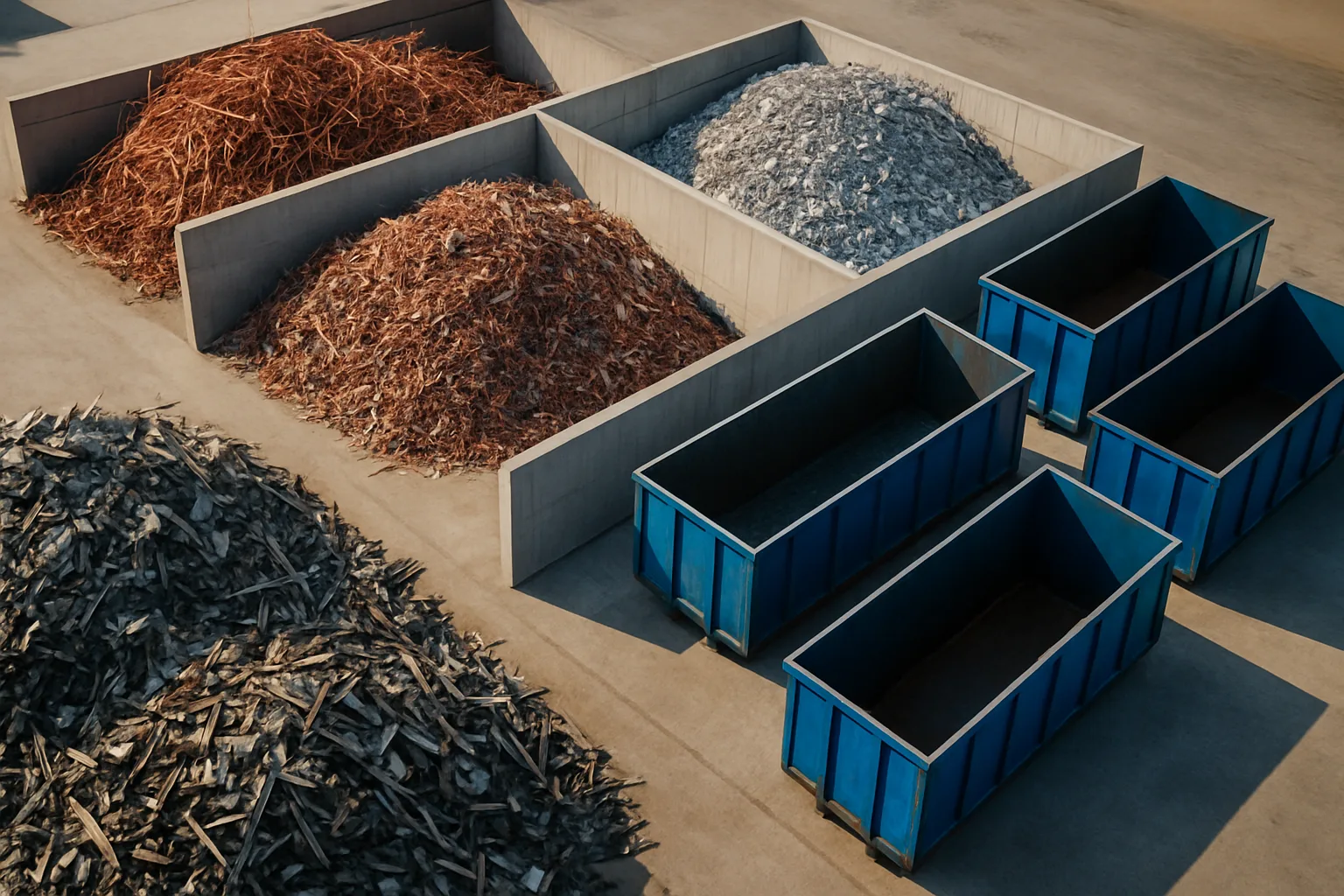
Most scrap sellers leave money on the table before a single bid is placed. Not because the market is bad — because the load isn't ready. How you sort, document, and present your scrap metal directly affects what buyers will pay. In a scrap metal auction environment, preparation isn't optional. It's the difference between a competitive bidding war and a lowball offer.
Whether you're clearing a shop floor in Hamilton or moving a mixed load of non-ferrous from a job site, the fundamentals are the same. Clean material, documented inventory, and proper separation get you better price discovery. That's not an opinion — it's how buyers think when they're placing bids on loads they can't physically inspect until after the sale.
---Why Sorted Scrap Gets Higher Bids in Ontario Yards and Auctions
Buyers price uncertainty into their bids. If a load is mixed — steel mixed with aluminum, shredded with clean copper — they assume the worst. They build in a spread to cover sorting costs, contamination deductions, and processing time. You eat that spread. Every time.
When you separate your material before it goes to auction, you remove the guesswork. A buyer looking at a clean pallet of scrap copper wire — sorted by grade, photographed, and documented — bids with confidence. That confidence shows up in the final number. The same logic applies to scrap aluminum, steel, and especially catalytic converters, where grade and condition dramatically affect value.
In Ontario's scrap market, yards and buyers have seen every variation of "mixed loads." The ones that move fast and get strong bids share one thing: the seller did the work upfront. Platforms like smashrecycling.ca are built around this exact principle — documented, vetted loads attract vetted, competitive buyers.
---The Basic Sort: Ferrous vs. Non-Ferrous — Get This Right First
Start with a magnet. Seriously. This single step separates ferrous metals (steel, iron, anything magnetic) from non-ferrous (copper, aluminum, brass, stainless). Non-ferrous is almost always worth more per pound. Mixing them is the fastest way to get your entire load graded down to the lowest common denominator.
Here's a practical breakdown of how to think about your sort:
- Ferrous metals: Steel beams, rebar, cast iron, sheet steel, tin. Sort by form — heavy melt separate from shredded or light gauge.
- Copper: Bare bright, #1 copper, #2 copper, insulated wire. Each grade has a different value. Don't mix them.
- Aluminum: Extrusions, cast, sheet, breakage, and mixed clips all carry different prices. A clean aluminum extrusion load is worth significantly more than a mixed aluminum pile.
- Brass: Valves, rod, and mixed brass all have distinct grades.
- Stainless: Grade matters here. If you're not sure, don't guess — photograph it and let buyers assess.
- Catalytic converters: This is a category of its own. Don't mix cats with other non-ferrous. Serial numbers, photos, and documentation matter here more than anywhere else.
The goal isn't to become a metallurgist. It's to avoid the one mistake that kills your bid: letting a buyer see contaminated material and deciding your entire load is worth less.
---Steel Scrap Price Today: Why Grade Separation Directly Affects Your Payout
The steel scrap price today depends on global demand, domestic mill activity, and local yard capacity. You can't control any of that. But you can control how your steel is presented. Heavy melt steel (beams, plate, structural) consistently prices higher than shredded or light gauge because mills prefer predictable chemistry and lower processing cost.
If you're moving steel out of a demolition project in Hamilton, separate your heavy structural from sheet steel and light gauge. Even if the per-pound difference feels small, it adds up fast across a full load. On a 20-ton load, a 10% better price per ton is real money — not a rounding error.
The same principle applies to best scrap metal prices in Ontario: the yards and buyers paying top dollar aren't doing it out of generosity. They're paying for material that reduces their processing cost. You give them that, and the price reflects it. SMASH connects sellers who prepare their loads properly with buyers who recognize that value and bid accordingly.
Prices fluctuate daily based on market conditions. Always check current rates before quoting or committing to a sale — what's accurate today may shift by the time your load is ready to move. For guidance on what to expect, explore Canadian scrap metal guides updated for current market conditions.
---How to Prepare Catalytic Converters to Sell Online
If you want to sell catalytic converters online, documentation is everything. Cats are one of the highest-value items in a scrap load — and one of the most scrutinized. Buyers need to know what they're getting before they bid. No documentation means lower confidence, lower bids, or no bids at all.
Here's exactly how to prep a cat load for auction:
- Photograph every unit individually. Top, bottom, and the end that shows the substrate. Buyers assess internal substrate condition from these photos.
- Record the serial number or OEM part number on each converter if it's visible. This allows buyers to cross-reference known assay data.
- Do not cut, core, or decan converters unless you have the equipment and expertise to do so properly. Improper decanning destroys value.
- Sort by type — foil substrate, ceramic, diesel particulate filters (DPFs), and aftermarket units are all priced differently. Mixing them creates uncertainty.
- Count and weight your load. Buyers need both figures to bid accurately.
When you present a cat load this way through a platform like SMASH, buyers can bid with precision instead of hedging for unknowns. More precision in the bid means more of that value goes to you, not into the buyer's risk buffer. For those in Hamilton processing vehicle inventories or end-of-life cars, getting cat documentation right is one of the highest-ROI steps you can take before a sale.
---Documentation and Inventory: The Step Most Sellers Skip
A well-sorted load with no documentation is still a gamble for an online buyer. Inventory documentation bridges the gap between what a seller knows and what a buyer can verify from a screen in a different city. This is especially true for scrap metal prices Ottawa buyers or any buyer purchasing loads remotely — they're placing bids on your word and your photos.
Good documentation looks like this:
- Clear photographs of each metal type in natural light — no blurry cell shots
- Weights by category (not just a total load weight)
- Brief notes on condition — any oil contamination, paint, insulation still attached
- Bill of lading (BOL) ready or packing list if the load is being transported
- For regulated material (cats, certain electronics-adjacent metals): any relevant compliance documentation your jurisdiction requires
SMASH builds serial tracking, photo documentation, and VIN lookup directly into the platform for this reason. It isn't bureaucracy — it's how you prove the value of your load to a buyer who can't pick it up and weigh it in their hand. When you sell your scrap metal in Canada on SellYourScrap, this kind of documented approach is exactly what connects your material with serious buyers.
Hamilton scrap sellers working with vehicle inventories can also access Hamilton scrap metal services designed for exactly this kind of documented, streamlined sale process.
---SMASH Scrap: How the Auction Format Rewards Prepared Loads
The old model — call one buyer, get one price, take it or leave it — has no mechanism for rewarding preparation. You sorted your copper perfectly? That buyer isn't going to pay you more because there's no competition pushing the price up. Their offer is their offer.
The SMASH scrap auction model works differently. Multiple vetted buyers see your documented load simultaneously. They compete. A well-sorted, well-documented load gives every buyer the confidence to bid higher because their risk is lower. That competition is what reveals the real market price for your material — not one buyer's margin on a Monday morning phone call.
No subscription fees. SMASH only wins when the seller wins. That alignment matters when you're deciding how much time to invest in preparation. The better you prep, the stronger the auction. The stronger the auction, the better your return. For anyone looking to get a fair price for your scrap today, understanding this loop is the starting point.
Ontario yards and independent sellers across the province — from Hamilton's industrial west end to operations further north — are increasingly moving loads through auction platforms because the transparency beats the alternative. You know what buyers paid. You know why. That data makes your next sale smarter too.
If you have scrap ready to move, sorting it properly before you list it is the highest-leverage step you can take. Then let the auction do the rest. Visit sellyourscrap.ca to request a pickup or get your load into the system.
---Frequently Asked Questions
Q: What metals should I separate before a scrap metal auction?
At minimum, separate ferrous (magnetic) metals from non-ferrous. Within non-ferrous, sort copper by grade (bare bright, #1, #2, insulated), separate aluminum by form (extrusions, cast, sheet), and keep catalytic converters in their own category. Each grade attracts different buyers and different bid levels.
Q: How do I get the best scrap metal prices in Hamilton?
Clean, sorted, and documented loads consistently attract stronger bids than mixed or undocumented material. Using an auction platform like SMASH connects your prepared load to multiple vetted buyers simultaneously, which creates price competition rather than a single take-it-or-leave-it offer. Local Hamilton scrap metal services can also help you understand current market rates before you sell.
Q: Is it worth my time to sort scrap before selling?
Yes — especially for non-ferrous metals and catalytic converters where grade differences represent significant price gaps. The time investment in sorting and photographing a load can return more than the sorting cost on a per-pound basis. The larger the load, the more sorting pays off.
Q: How do I sell catalytic converters online safely and at a fair price?
Photograph each converter individually, record serial numbers where visible, and sort by type (ceramic, foil, DPF). Use a vetted platform like SMASH that connects you with buyers who specialize in cats and have the assay data to bid accurately. Documented loads get better bids than mystery boxes.
Q: Do scrap metal prices change often in Ontario?
Yes. Scrap metal prices in Ontario — and across Canada — fluctuate based on global commodity markets, domestic mill demand, and local yard capacity. Steel, copper, and aluminum prices can shift week to week. Always verify current rates before finalizing a sale, and check resources like the SellYourScrap blog for updated market context.
---Follow SMASH on LinkedIn for scrap metal market insights, industry news, and platform updates: SMASH on LinkedIn.