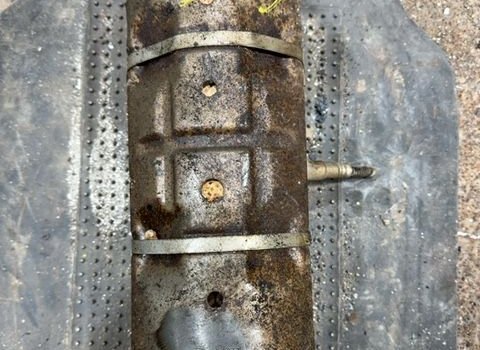
Most people selling a catalytic converter have no idea what's inside it — and that ignorance costs them money. The difference between a low-ball offer and a fair payout can run into hundreds of dollars per unit, and it all comes down to what's happening inside that ceramic honeycomb. If you're sitting on a pile of cats and wondering why prices bounce around so much, this article breaks it down — no fluff, no guessing.
And if you're tracking copper scrap prices Burnaby alongside your cat recycling operation, the same principle applies: the market rewards the informed seller. Let's get into it.
What's Actually Inside a Catalytic Converter?
A catalytic converter isn't recycled for its steel shell. It's recycled for the platinum group metals (PGMs) — platinum, palladium, and rhodium — embedded in the ceramic or metalite substrate inside. These three metals do the actual emissions work, converting toxic exhaust gases into less harmful output. And they're genuinely rare, which is why spent cats have real value.
The substrate is coated with a thin wash of PGMs. How much coating depends entirely on the vehicle make, model, engine size, and the emissions regulations the vehicle was built to meet. A cat from a late-model import SUV can carry significantly more palladium than one from an older domestic economy car. That's not marketing — that's chemistry and engineering reality.
- Platinum: Used heavily in diesel vehicle catalysts
- Palladium: Dominant in gasoline-engine cats, especially post-2010 models
- Rhodium: Used in smaller amounts but commands some of the highest prices per gram on the global market
The PGM content is what recyclers are bidding on. Everything else — the shell, the mat insulation, the pipes — is secondary value at best.
How the Recycling Process Actually Works
Once a catalytic converter leaves your yard, it goes through a multi-step process before anyone knows exactly what it's worth. Understanding this process explains a lot about why prices aren't instant or uniform.
Step 1: Decanning. The steel shell is cut open and the substrate is removed. The shell has its own scrap steel value, but it's modest. The substrate is what gets processed further.
Step 2: Sampling and assaying. The substrate is crushed, sampled, and sent for assay — a lab process that determines the precise concentration of platinum, palladium, and rhodium in the material. This takes time. Depending on the processor and the lab, assay results can take days to weeks.
Step 3: Smelting and refining. The PGM-bearing material is smelted at high temperature to separate the metals from the substrate. The refined metals are then sold into the commodities market.
Step 4: Settlement. The yard or collector who sold the cats gets paid based on the assay result and the PGM prices on the day of settlement — not the day they dropped off the material. This lag creates pricing uncertainty, especially in volatile markets.
The takeaway: cat recycling is not like handing in a copper wire and getting a cheque. It's a commodity chain with multiple steps, multiple players, and real timing risk built in.
Why Catalytic Converter Prices Vary So Much — Including in Burnaby
If you've called around for scrap metal prices Burnaby and gotten wildly different quotes on the same batch of cats, you're not imagining it. Here's why the spread is real:
1. PGM spot prices move daily. Palladium alone has swung thousands of dollars per troy ounce over multi-year cycles. Rhodium has historically been even more volatile. The price you get for cats is directly tied to where PGMs are trading on global markets at the time of assay and settlement. A quote you got last week may already be outdated.
2. Grade and vehicle make matter enormously. Recyclers who know their codes — the serial numbers or part numbers on the converter body — can look up historical assay data and quote more accurately. Those who quote blind are either guessing or padding their margin to manage risk. A platform with strong scrap metal inventory management tools, including serial tracking and photo documentation, helps buyers compete more accurately on specific units.
3. Volume changes your leverage. A single converter is a different conversation than a pallet of 50. Larger volumes attract more buyers and more competitive pricing because the processing economics are better. This is true in Burnaby, in Vancouver, in Mississauga — everywhere.
4. The buyer's business model matters. Some buyers operate on thin margins with direct access to refiners. Others are middlemen layering in their cut at every step. Without transparency or competition, you have no way to know which one you're dealing with.
This is precisely why auction-based platforms like find the best price for your scrap in Canada SMASH exist — they put your material in front of multiple vetted buyers simultaneously, so the spread narrows in your favour through real competition rather than guesswork.
The Connection Between Copper Scrap Prices and Cat Recycling Strategy
You might be wondering what copper scrap price today per kg has to do with catalytic converter recycling. More than you'd think, especially if you operate a full-service yard or recycling depot in British Columbia.
Diversified scrap operations — the kind running non-ferrous metals, cores, and cats simultaneously — need to think about their material mix as a portfolio. When copper prices are strong, the copper on your floor carries your margin. When PGM prices are high, your cat pile is your best asset. The two markets don't always move in sync, and that's actually useful: when one softens, the other may compensate.
Tracking both means making better decisions about what to move now and what to hold. That requires real data, not a hunch or a single phone call to a buyer who has every incentive to quote low. For yards in Burnaby managing diverse material streams, good scrap metal inventory management isn't optional — it's what separates the yards running on margins from the ones leaving money on every load.
When you sell your scrap metal in Canada on SellYourScrap, you get access to a process built around price discovery, documentation, and vetted buyers — not a single phone call to whoever picks up.
Regulations Affecting Catalytic Converter Sales in 2026
Catalytic converter theft has driven significant regulatory changes across North America, and British Columbia is no exception. As of 2026, sellers dealing in catalytic converters — whether individuals or businesses — need to be aware of documentation requirements that have been tightening across Canadian provinces and many U.S. states.
In British Columbia, secondary metal dealers are increasingly required to maintain transaction records for cats, including seller identification and vehicle or unit provenance where applicable. This isn't just a compliance burden — it's also a signal to buyers that your material is clean and legitimate, which supports better pricing. Recyclers who document their inventory properly face fewer delays, fewer questions, and fewer haircuts on settlement.
Beyond provincial rules, the broader regulatory trend is pushing the industry toward traceability. VIN lookup tools, serial number tracking, and photo documentation — the same features built into SMASH's platform — are increasingly aligned with where regulation is heading. Getting ahead of that now protects your operation and your pricing power.
If you're managing a large volume of cats and want to explore Canadian scrap metal guides that help you stay compliant and competitive, there's a growing body of practical information available for Canadian yards navigating this landscape.
How to Get a Better Price for Your Catalytic Converters
The single biggest lever you have as a seller is competition. One buyer, one quote, one take-it-or-leave-it offer is the worst position you can be in. Here's how to improve your outcome:
- Document every unit. Photos, serial numbers, vehicle source where possible. Better documentation means buyers can quote more precisely — and compete more aggressively.
- Know your codes. The numbers stamped or printed on the converter body correspond to assay histories. Learn to read them or work with a platform that does it for you.
- Don't move material in a rush. PGM markets move. If you're not under pressure to liquidate, timing matters. Selling into a rising palladium market versus a dip is a real difference.
- Use competitive bidding. Platforms that put your material in front of multiple vetted buyers at once don't just find you a buyer — they find you a price that reflects what the market will actually pay.
- Track your loads. Over time, your assay data tells a story about your material sources. Knowing your historical returns helps you negotiate smarter on future loads.
Whether you're running a full recycling depot in Burnaby or clearing out a single end-of-life vehicle, the principles are the same. More information, more competition, better price discovery.
Ready to stop guessing and start selling with confidence? Get a fair price for your scrap today and find out what your material is actually worth in today's market. If you're in British Columbia or anywhere else across Canada, there's no reason to leave money on the table because you only called one buyer.
Frequently Asked Questions
Q: Why do I get different quotes for the same catalytic converter in Burnaby?
Different buyers have different access to refiners, different overhead, and different levels of risk tolerance. A buyer quoting blind on your material will pad their margin to protect themselves — a buyer with serial number data and assay history can quote tighter. Using a competitive platform that puts your material in front of multiple vetted buyers at once narrows that spread significantly.
Q: How do copper scrap prices in Burnaby affect what I should focus on selling?
Copper and catalytic converter (PGM) prices don't always move together, so a smart yard tracks both. When copper is strong, prioritize moving your non-ferrous wire and plumbing. When PGM prices are elevated, your cat pile becomes your highest-value material. Diversified yards in Burnaby use price tracking and inventory management to decide what to move and when.
Q: How long does it take to get paid for catalytic converters?
It depends on the buyer and the settlement model. Some buyers offer upfront pricing based on grade estimates — faster payment, but potentially lower returns. Others pay on assay, which takes longer but reflects the true PGM content. Understanding which model you're in before you sell matters a lot for cash flow planning.
Q: Do I need paperwork to sell catalytic converters in British Columbia in 2026?
Yes. Secondary metal dealers in British Columbia are required to maintain transaction records, including seller identification. Requirements have tightened in recent years due to converter theft concerns. Having proper documentation also helps you get better prices — legitimate, traceable material is easier for buyers to process and settle cleanly.
Q: Can I sell scrap metal and catalytic converters through SMASH if I'm in Burnaby?
Yes. SMASH serves yards and sellers across North America, including British Columbia. The platform connects sellers with vetted buyers through a competitive auction format, with features like photo documentation, serial tracking, and auto-invoicing. No subscription fees — SMASH only wins when you do.
Selling scrap in Canada shouldn't feel like a guessing game. If you're ready to move your cats, copper, or any other non-ferrous material with real price discovery behind you, head to sellyourscrap.ca and request a pickup today. You've already done the hard work of sourcing the material — make sure you're getting paid what it's actually worth.
Follow SMASH on LinkedIn for ongoing scrap metal market insights, industry updates, and tips for getting more out of every load you sell.
Disclaimer: Scrap metal prices — including copper, aluminum, and platinum group metals — fluctuate daily based on global commodity markets. Always check current rates before selling. The information in this article reflects general market conditions as of November 2026 and should not be taken as a guaranteed price or financial advice.
```