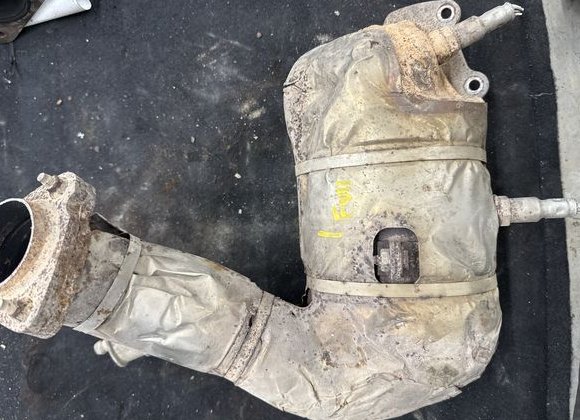
Catalytic Converter Recycling in Canada: How It Works and Why Prices Change
Your catalytic converter could be worth more than you think — or less than you were quoted last month. That gap isn't random. Catalytic converter prices are tied to some of the most volatile precious metal markets on the planet, and if you're selling without understanding how recycling actually works, you're leaving money on the table. Whether you're a yard operator in Longueuil moving volume or an individual scrapping a single vehicle, the same rules apply.
This is a market report for November 2026. If you're trying to find the best scrap metal prices Longueuil has available right now — or anywhere else in Canada — start by understanding what drives the number on that quote sheet.
What's Actually Inside a Catalytic Converter
The shell is steel. That's worth almost nothing by itself. What makes a cat valuable is what's packed inside the ceramic honeycomb substrate: platinum group metals, or PGMs. Specifically, platinum, palladium, and rhodium. These three metals do the chemical work of converting toxic exhaust gases into less harmful emissions — and they're also three of the rarest, most expensive materials in industrial recycling.
The concentration of PGMs varies significantly depending on the vehicle make, model, engine type, and model year. A diesel truck cat contains more platinum. A hybrid vehicle's converter often contains higher palladium concentrations because the engine cycles on and off more frequently, requiring faster catalyst activation. Some aftermarket converters contain almost no recoverable PGMs at all — which is exactly why a quote that sounds identical for two different cats is almost never accurate.
- Platinum: Used heavily in diesel converters. Prices fluctuate with industrial demand from Europe and Asia.
- Palladium: Dominant in gasoline passenger vehicles. The most price-sensitive of the three in recent years.
- Rhodium: Found in smaller quantities but historically the most expensive PGM by weight. Prices can swing dramatically.
- Substrate material: Ceramic or metallic. Metallic substrates often yield higher PGM recovery rates.
When a recycler quotes you a price on a cat, they're making a calculation based on the estimated PGM content, the current commodity prices for each metal, and their processing cost. That's why the quote from one buyer can be meaningfully different from another — and why platforms like the SMASH Recycling auction platform exist to introduce real competition into that transaction.
The Recycling Process: From Your Cat to Refined Metal
Recycling a catalytic converter is a multi-step process. Understanding it explains why prices aren't instant, why settlement timelines vary, and why documentation matters for high-volume sellers.
Here's how it typically moves through the supply chain:
- Collection and sorting: Converters are collected, photographed, and identified by serial number or OEM part number. VIN lookup tools and serial tracking — features built into platforms like SMASH — help identify the unit accurately before it moves anywhere.
- Decanning: The ceramic substrate is separated from the outer metal shell. The shell is sold as steel scrap. The substrate material goes to the next stage.
- Sampling and assay: The substrate is processed, sampled, and sent to a refinery for assay — a precise chemical analysis of PGM content. This is where the actual value is confirmed.
- Refining: PGMs are extracted using chemical or smelting processes. This is done by specialized refineries, not by scrap yards directly.
- Settlement: Once the assay is complete and metals are refined, the seller receives payment based on the actual PGM yield minus processing fees.
The timeline from collection to settlement can range from a few weeks to over a month depending on the refinery, volume, and terms negotiated. For businesses managing scrap metal inventory management across multiple vehicles or loads, this lag matters for cash flow planning. Proper documentation — photos, serial numbers, packing lists — protects everyone in that chain.
Why Catalytic Converter Prices Vary So Much
If you've tried to get quotes on cats recently, you already know: the spread between buyers can be significant. That's not always dishonesty — it reflects genuine variables that change the math on every unit.
1. Live PGM commodity prices. Platinum, palladium, and rhodium trade on global commodity markets. These prices move daily, sometimes sharply. A quote you got two weeks ago may not reflect today's market at all. This is especially true for rhodium, which has historically experienced some of the most extreme price swings of any metal.
2. The specific unit. A Toyota Prius converter is worth more than a generic aftermarket replacement. A pre-2000 diesel truck cat has a different PGM profile than a 2020 SUV. Buyers who know their data can quote more accurately — and more fairly. Buyers who don't, guess. And they'll guess conservative to protect their margin.
3. Volume and relationship. Single units get different pricing than a pallet of 50. That's just reality in any commodity market. If you're moving volume in Longueuil or anywhere in Quebec, you should be working with buyers who can process scale — not someone quoting retail-style on each piece.
4. Processing and refinery fees. Every refinery charges differently. Some buyers absorb those costs and quote a net price. Others pass them through. The number on the quote sheet doesn't always tell you which model you're looking at — which is why transparency matters.
5. Market access. A buyer with one refinery relationship is constrained by that refinery's current pricing and terms. A B2B scrap metal marketplace that connects sellers to multiple vetted buyers creates genuine competition. That competition is what actually reveals where the market is — not a single quote from a single phone call.
If you want to understand current price discovery and avoid the guessing game, sell your scrap metal in Canada on SellYourScrap and let competitive bidding do the work for you.
What Sellers in Longueuil and Quebec Should Know Right Now
The Quebec scrap market has specific dynamics worth noting. The Montreal metro region — which includes Longueuil — is a high-volume corridor for automotive recycling. That means there's real buyer competition in this market, but it also means unscrupulous buyers know there's volume to capture and may undercut on price to win loads fast.
If you're selling cats out of Longueuil, don't default to the first call. The difference between a low quote and a competitive one on a decent volume of converters is real money. Document everything — serial numbers, photos, unit counts. Use a platform built for this, not a handshake deal with no paper trail.
SMASH gives sellers the tools to list inventory properly: photo documentation, serial tracking, VIN lookup on vehicle-sourced cats. When buyers see a well-documented load, they bid with more confidence — and that confidence shows up in the price. More buyer confidence means better price discovery. That's not a slogan. That's how commodity markets work.
For anyone managing end-of-life vehicles in Quebec — whether you're a dealer, a fleet operator, or a recycling yard — the same principle applies. Documented inventory moves faster and prices better than mystery loads. If you're in the scrap metal recycling business anywhere in Canada, from Surrey to Longueuil, the fundamentals don't change: know what you have, document it, and get it in front of multiple buyers.
How SMASH Helps You Navigate the Cat Market
SMASH is built specifically for the scrap and recycling industry. Not a generic marketplace. Not a classified site. A platform where vetted buyers compete for your loads — cats included.
Here's what that means in practice:
- No subscription fees. You pay nothing to list. SMASH only wins when you do.
- Vetted buyers. You're not dealing with unknown buyers. The buyers on the platform are screened.
- Auction format. Competition between buyers is the mechanism that reveals true market value — not a single call from a single contact.
- Inventory tools. Serial tracking, photo uploads, and documentation tools are built in. This matters for cats specifically, where unit identification drives pricing accuracy.
- Auto-invoicing. When a deal closes, the paperwork follows. No chasing down BOLs or manually generating packing lists.
Whether you're looking for the best scrap metal prices in Calgary, the best prices in Longueuil, or anywhere between — the same platform, the same process, the same transparency applies. Explore Canadian scrap metal guides to get deeper on specific metals, pricing dynamics, and how to maximize what you recover.
When you're ready to move your cats — or your copper, aluminum, or steel — get a fair price for your scrap today and stop guessing at what the market will bear.
Disclaimer: Catalytic converter prices and PGM commodity values fluctuate daily based on global market conditions. All pricing information in this article is general in nature. Always check current rates before selling.
Frequently Asked Questions
Q: What determines the price of a catalytic converter in Longueuil?
The price depends on the specific unit's platinum group metal (PGM) content, current commodity prices for platinum, palladium, and rhodium, and which buyers are competing for it. A well-documented unit sold through a competitive platform will typically achieve better price discovery than a single cold-call quote. If you're in Longueuil, working with a marketplace that connects you to multiple vetted buyers is the most reliable way to find the market.
Q: How long does catalytic converter recycling take from drop-off to payment?
The timeline varies by buyer and refinery. After decanning, sampling, and assay, settlement can take anywhere from two to six weeks depending on volume, refinery terms, and processing speed. High-volume sellers with documented loads and established buyer relationships typically move through the process faster.
Q: Why did my catalytic converter quote change from last month?
PGM commodity prices — especially rhodium and palladium — can shift significantly week to week based on global supply and demand. A quote from last month reflects last month's market. Always get a fresh quote before selling, and get more than one. Competition between buyers is what reveals the real current price.
Q: Are catalytic converters the most valuable scrap metal I can sell?
By weight, catalytic converters typically yield the highest value of any single automotive scrap component due to their PGM content. However, large volumes of copper wire or aluminum can also represent significant value. The best strategy is to understand what you have, document it properly, and get competitive bids — regardless of the metal type.
Q: How do I know if I'm getting a fair price for my cats in Quebec?
The best way to validate a price is to get multiple offers. A single quote from a single buyer gives you no reference point. Platforms like SMASH create competitive bidding environments where vetted buyers bid against each other — that process is what actually reveals where the market is on any given day, in Quebec or anywhere else in Canada.
Ready to stop guessing and start getting competitive offers? Visit sellyourscrap.ca to request a pickup or list your scrap — cats, copper, aluminum, steel, and more. The process is straightforward, and you'll know exactly what you're getting before anything moves.
Stay current on PGM markets, scrap metal pricing, and industry trends by following SMASH on LinkedIn — practical updates for people who actually work in this industry.