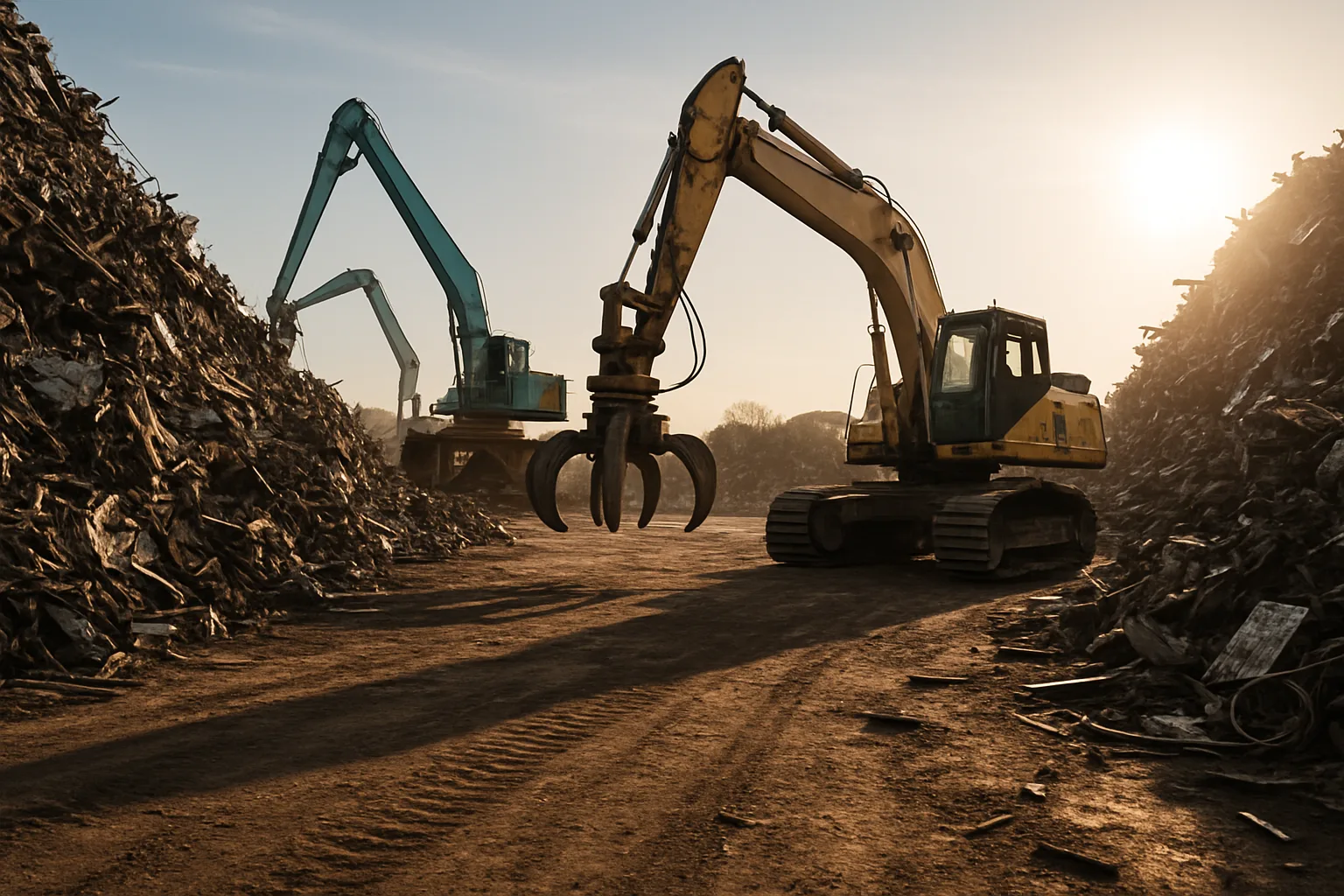
Construction and demolition sites are some of the most overlooked sources of high-value scrap metal in Canada — and most of the material ends up in the wrong place. If you manage a job site, run a demo crew, or haul away building materials, you're likely leaving money behind every single day.
Understanding what your site generates — and how to capture that value — is the difference between a disposal cost and a revenue stream. Platforms like SMASH make it straightforward to connect with vetted buyers and get real market competition on your loads. But first, let's talk about what you're actually sitting on.
Why Construction and Demolition Sites Are a Major Source of Scrap Metal
The construction sector generates an enormous volume of metal waste. Every new build, renovation, or teardown produces offcuts, fasteners, wiring, pipe, structural steel, and more. Much of it gets mixed into general debris — buried under drywall, concrete, and wood — which is exactly why it gets missed.
Demolition sites are particularly rich. Older commercial buildings often contain copper plumbing, aluminum window frames, steel I-beams, and electrical components that have real market value. In Ontario, where infrastructure investment has remained strong through 2026, construction activity continues to generate significant scrap volumes across the province. Sites in and around Kitchener are no exception — the region's ongoing commercial development and residential expansion keep demo and construction crews busy year-round.
- Structural steel — beams, columns, rebar, and steel decking
- Copper wire and pipe — electrical wiring, plumbing runs, HVAC components
- Aluminum — window frames, curtain wall systems, roofing, duct work
- Cast iron — old radiators, drain pipe, fittings
- Stainless steel — commercial kitchen equipment, industrial fixtures
- Yellow brass — valves, fittings, plumbing connections
Each of these metals carries a different value per pound. Copper sits at the top. Aluminum scrap price today fluctuates with global markets, but it's consistently more valuable than steel. Knowing what you have — and separating it properly — is where real money is made or lost.
What Ontario Regulations Say About C&D Metal Waste in 2026
Scrap metal recycling Canada isn't just about profit — there's a regulatory framework that applies to how construction and demolition waste is managed. In Ontario, the Resource Recovery and Circular Economy Act governs how waste from job sites must be handled, tracked, and diverted from landfill. Scrap metal generally qualifies as a divertible material, meaning sending it to a licensed recycler keeps you compliant.
As of 2026, Ontario's extended producer responsibility framework continues to push more of the waste management burden onto generators — which includes contractors and demolition companies. Keeping clean, documented records of what you're diverting (and where it goes) protects you during audits and demonstrates environmental compliance to municipal clients who require it on contract.
Separation at the source matters here too. Metal that's mixed with hazardous materials — asbestos-containing board, lead-painted components, PCB-containing equipment — needs to be handled through a different stream before it can enter the scrap supply chain. Know your load before you book a pickup or haul to a buyer. Clean loads command better prices. Contaminated loads create liability.
How to Capture Scrap Metal Value from a Job Site
The sites that do this well treat metal recovery as a planned activity, not an afterthought. That starts during the pre-demolition audit — walking the structure and identifying what's recoverable before the wrecking ball swings. A salvage-first approach protects high-value materials from getting crushed, mixed, or buried.
Here's a practical framework for job sites of any size:
- Pre-demolition survey: Walk the site and catalogue materials. Identify copper, aluminum, and ferrous metal locations before demo begins.
- Separate at the source: Use designated bins or zones for ferrous versus non-ferrous. Mixed loads reduce your payout — buyers price to the lowest-value component when they can't see what's inside.
- Document everything: Photos, weights, and material types create a paper trail that supports better pricing conversations and compliance records.
- Know your weights: Estimate tonnage before you approach buyers. A half-ton of copper wire negotiates differently than ten tons of structural steel. Know what you have.
- Get competition on your loads: One phone call to one yard is the old way. It's a guess at best. Auction-style platforms put multiple vetted buyers in front of the same load — price discovery happens fast.
If you're in the Kitchener area and generating regular volumes from construction or demolition work, Kitchener scrap metal services can help you manage ongoing load pickups without the coordination headache. Whether you're clearing one site or running a portfolio of projects, consistent access to buyers matters.
Aluminum Scrap Pricing and Why Grade Matters on C&D Sites
Aluminum is one of the most common metals on a construction or demolition site — and also one of the most misgraded. Aluminum scrap price today varies significantly depending on the alloy and condition. Extruded aluminum window frames (6000-series alloy) grade differently than cast aluminum from mechanical components or painted aluminum siding. Mixing them collapses your payout to the lowest grade.
Here's what that means in practice for a demo site: curtain wall systems from a commercial building teardown can contain thousands of pounds of high-grade aluminum. If those frames are tossed into a bin with steel hardware still attached, you're sending a mixed load to the yard. The buyer sorts it — or prices it as if they have to. Either way, you eat the cost.
Stripping hardware before binning, keeping aluminum free from iron contamination, and separating window glass from frames are simple steps that move the needle on price per pound. For anyone doing this at volume, those small process changes add up to real dollars across a season. If you want to sell your scrap metal in Canada on SellYourScrap, clean separation is one of the fastest ways to improve what you walk away with.
Using SMASH to Sell C&D Scrap at Market Price
The traditional approach to selling job site scrap is exactly what you'd expect: call the yard you've always used, get a number, accept it or don't. There's no benchmark. No competition. No way to know if that number reflects the actual market.
SMASH changes that dynamic entirely. Instead of one buyer and one price, your load goes in front of vetted buyers who compete for it. That competition does what phone calls can't — it surfaces the real market price. More buyers means better price discovery. The platform handles photo documentation, inventory tracking, and auto-invoicing, so the administrative side doesn't add hours to your week.
For construction and demolition operators generating regular scrap loads, this matters. Consistency of volume gives you leverage — but only if you're using a system that lets buyers see and compete on that volume. You can sell your scrap metal on SMASH Recycling and put real competition behind every load you move, whether it's a one-time demo cleanout or ongoing site volumes.
If you're running jobs across Ontario — whether that's in Kitchener, the GTA, or anywhere in between — scrap metal recycling Canada doesn't have to mean accepting whatever the closest yard offers. It means knowing your market and using the right tools to access it.
Finding Buyers and Managing Scrap Across Multiple Sites
One of the biggest pain points for contractors and demolition companies isn't pricing — it's logistics. When you're running multiple sites, coordinating scrap pickups across locations, keeping documentation straight, and getting paid quickly becomes its own job. That friction is often why valuable material ends up in a skip bin instead of a buyer's yard.
The solution isn't more phone calls. It's a platform built to handle documentation, buyer coordination, and invoicing at scale. When you need to find a scrap yard toronto or look for scrap metal near me within 8.1 km of a specific job site, the ability to search and sort by location — with buyers who are pre-vetted and ready to bid — cuts that friction significantly.
Keeping your materials documented with photos and weights before the load ships also matters for compliance purposes. If a municipal contract requires you to demonstrate diversion rates, having that data already captured in a platform is a significant advantage over trying to reconstruct it from memory or paperwork. To get a fair price for your scrap today, the groundwork starts before the truck leaves the site.
If you're newer to this process, explore Canadian scrap metal guides for practical breakdowns on metal grades, pricing, and how to prepare loads for sale.
Frequently Asked Questions
Q: What types of scrap metal do construction and demolition sites typically generate?
C&D sites commonly produce structural steel, rebar, copper wire and plumbing, aluminum framing and ductwork, cast iron pipe, brass fittings, and stainless steel from commercial fixtures. The mix depends heavily on the age and type of structure being demolished or renovated.
Q: How do I sell scrap metal in Kitchener from a job site?
Start by separating your metals by type — ferrous and non-ferrous at minimum, with further separation by grade if possible. Document weights and take photos of your loads. Then use a platform like SMASH or connect with a local service to get buyers competing on your material rather than accepting a single yard's offer.
Q: Does aluminum scrap price change often, and how does it affect what I receive?
Yes — aluminum pricing fluctuates with global commodity markets and can shift week to week. The grade and cleanliness of your aluminum also affects what you receive per pound. Clean, separated aluminum in good condition consistently earns more than mixed or contaminated loads. Always check current rates before selling. Prices fluctuate — verify current aluminum scrap prices before booking your load.
Q: Are there regulations in Ontario about selling scrap from demolition sites?
Yes. Ontario's Resource Recovery and Circular Economy Act requires that waste generators — including contractors — manage and divert materials responsibly. Scrap metal sold to licensed recyclers generally satisfies diversion requirements. Keep documentation of where your material goes and ensure any hazardous-containing components are handled separately before entering the scrap stream.
Q: Can I sell scrap metal from a single demo site, or do I need large volumes?
You don't need massive volumes to sell. Even a single site teardown can generate meaningful quantities of copper, aluminum, and steel worth selling properly. Platforms that aggregate buyer interest make it easier to get competitive pricing even on single-site loads — the key is having your material documented, graded, and ready to move.
Construction and demolition scrap is real money sitting in plain sight on most job sites across Kitchener and the broader Ontario market. The difference between a cost and a credit line comes down to separation, documentation, and getting real competition on your loads. If you're ready to stop guessing and start selling smarter, sell your scrap metal in Canada — request a pickup at sellyourscrap.ca and put your material in front of buyers who are ready to compete for it.
Stay ahead of scrap metal market shifts and industry news by following SMASH on LinkedIn — practical updates for yards, contractors, and anyone moving metal in Canada.
```