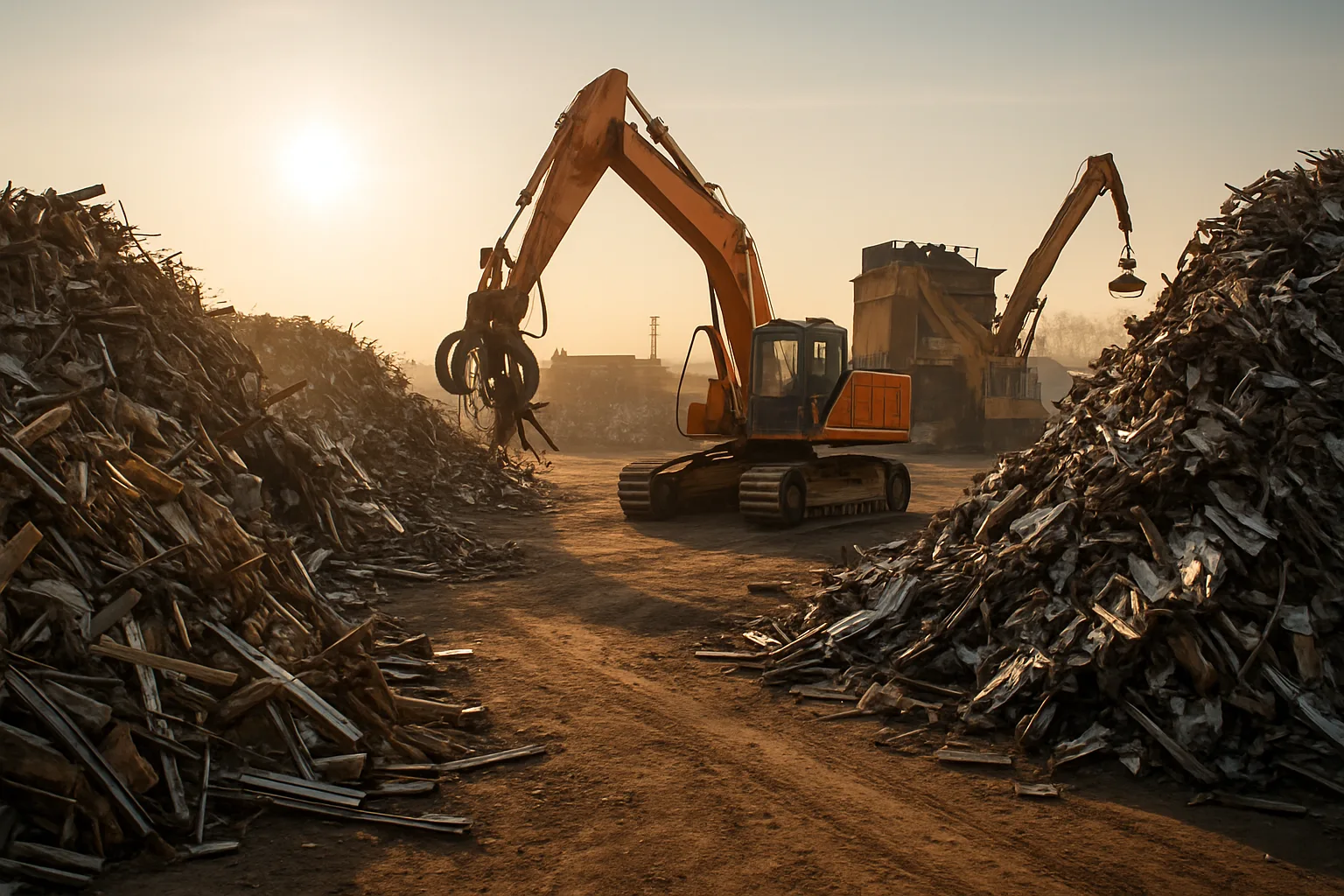
Construction Sites Are Sitting on a Fortune in Scrap Metal — Are You Collecting It?
Every demolition job tears down more than just a building. It strips out copper wiring, aluminum framing, structural steel, cast iron pipe, and stainless fixtures — materials that have real dollar value the moment they hit the ground. Yet a surprising amount of that metal walks off-site or gets buried in mixed debris loads, costing contractors and yard operators money they never knew they were leaving behind. If you're chasing the best scrap metal prices Richmond has to offer, construction and demolition sites are one of the most consistently productive sources you'll find.
This week's market recap breaks down exactly how C&D sites generate scrap, which metals matter most, how pricing has been moving, and how platforms like sell your scrap metal on SMASH Recycling are helping yards and contractors get real competitive value from material that used to get traded away on a handshake.
The Metals Inside Every Demolition Job
A single mid-size commercial demolition in Richmond, British Columbia can yield several tonnes of mixed metal. The breakdown depends heavily on the building's age, its original use, and how carefully the material is segregated at the point of separation. Knowing what you're pulling matters — mixed loads always pay less than clean, sorted material.
Here's what typically comes out of a C&D project:
- Structural steel: Beams, columns, rebar, and decking. This is usually the highest-volume metal by weight, though price per pound is lower than non-ferrous materials.
- Scrap copper: Electrical wiring, plumbing pipe, bus bars from electrical panels, and HVAC coils. Copper consistently ranks among the highest-value metals by weight — and in older commercial buildings, you'll find more of it than you expect.
- Scrap aluminum: Window frames, curtain wall systems, storefront framing, conduit, and roofing components. Aluminum is lightweight but adds up fast on a larger job.
- Cast and ductile iron: Drain lines, mechanical fittings, and old radiators in pre-1980s buildings.
- Stainless steel: Commercial kitchen equipment, industrial piping, and medical or lab fixtures in specialty buildings.
- Yellow brass: Valve bodies, fittings, and plumbing fixtures — especially in older institutional buildings.
The older the structure, the more non-ferrous metal you tend to find. A 1960s office building in Metro Vancouver will almost always yield more copper and brass than a 2015 tilt-up warehouse. Knowing the building's history before you start is part of working smarter on the scrap side.
Why C&D Scrap Moves Differently Than Yard Drop-Offs
Residential drop-offs are transactional — someone shows up with a truck bed of aluminum cans and copper pipe. C&D scrap is a different game. You're dealing with volume, logistics, timing tied to project schedules, and often multiple material grades that need sorting before a yard will give you a top ticket. That complexity is exactly where contractors lose money.
Single-buyer relationships — calling one familiar contact and taking whatever they offer — are the standard approach for most C&D operations. It's convenient. It's also leaving money on the table. Without price competition, there's no pressure on that buyer to sharpen their number. You're essentially guessing what your copper and aluminum are worth and hoping the relationship is honest.
That's the tension a B2B scrap metal marketplace is built to resolve. When multiple vetted buyers compete on your load, you get actual market data instead of a single opinion. More buyers means better price discovery — full stop. Whether you're managing a demolition site in Richmond or moving material from a job in Hamilton, the principle is the same. If you want to sell your scrap metal in Canada on SellYourScrap, competitive bidding is how you close the gap between what you're getting and what the market actually supports.
Weekly Market Snapshot — Week of June 28, 2026
Markets across North America are reflecting continued pressure on copper from infrastructure spending and steady non-ferrous demand tied to electric vehicle supply chains and grid modernization projects. Structural steel has been range-bound as residential construction softens in some markets, while demolition activity remains active in dense urban corridors. British Columbia continues to see consistent demolition volumes tied to urban infill and transit-adjacent redevelopment.
A few signals worth watching this week:
- Copper: Demand from electrical contractors and utility work remains firm. Clean #1 copper continues to command a strong premium over mixed or insulated wire. Segregation at the demo site pays.
- Aluminum: Scrap aluminum pricing has held relatively steady. Extruded aluminum from commercial curtain wall systems is seeing decent demand from secondary smelters.
- Structural steel / HMS: Pricing has softened modestly from earlier spring levels. Export demand from Pacific Rim markets, which affects pricing on the West Coast including in Richmond, has been stable but not surging.
- Stainless: Nickel-bearing grades remain sensitive to LME nickel swings. Check current spot before locking anything in.
Disclaimer: Metal prices fluctuate daily based on global commodity markets, local supply and demand, and individual yard conditions. Always verify current rates before selling. Nothing in this article constitutes a price guarantee.
For contractors in Richmond and the broader Lower Mainland, the practical takeaway is simple: document your grades before you haul. A load of clean copper wire documented with photos and weights will consistently outperform a mixed bin of "electrical" with no breakdown. That documentation also matters on a B2B scrap metal marketplace — buyers bid with more confidence when they can see exactly what they're buying.
How to Maximize Scrap Value on a C&D Site
Getting full value from construction and demolition scrap isn't complicated. It does require some discipline at the point of separation. Most contractors who do this well say the habits become second nature within a few jobs.
- Separate at the source. Train your crew to pull copper, aluminum, and steel into separate bins rather than tossing everything into a single metal pile. Mixed loads mean downgraded prices across every material in the bin.
- Strip insulated wire on-site if volume justifies it. Bare bright copper pays significantly more than insulated. On a large commercial demo, stripping pays — but check your economics based on labour cost.
- Document with photos and weights. Even rough weights from a floor scale on-site help. Photos showing clean, sorted material give buyers confidence and reduce lowball bids based on assumed contamination.
- Know your grades. There's a meaningful price difference between #1 copper, #2 copper, and copper mixed with solder or fittings. Don't let a yard assign grades without your input.
- Use competitive channels. Don't default to one buyer out of habit. Platforms built for this — from explore Canadian scrap metal guides to marketplace tools — exist precisely to create competition around your loads.
Whether you're operating in Richmond, British Columbia or running jobs in other markets like Hamilton, these habits translate directly into better returns. The yards paying top ticket consistently are the ones competing for well-documented, clean material.
SMASH and the Shift Toward Transparent C&D Scrap Selling
SMASH was built specifically for this kind of volume-based, documentation-heavy scrap selling. Inventory tools let you log material by grade with photos and weights. VIN lookup and serial tracking apply on the equipment side. Auto-invoicing removes the administrative drag after a load closes.
For a contractor generating regular scrap from ongoing demo work in the Lower Mainland, the value isn't just in a single higher bid — it's in having a repeatable process. You list the material, vetted buyers compete, you take the best offer and get a clean invoice. No subscription fees. SMASH only wins when you win.
That model makes particular sense for C&D operators who move material frequently and want to stop guessing. If you're looking to get a fair price for your scrap today, putting your loads in front of multiple buyers — not just one familiar contact — is the most straightforward way to find out what the market actually thinks your material is worth. And for ongoing demolition work, Richmond scrap metal services can help you streamline how that material moves from site to sale.
Construction and demolition scrap isn't a side business. On a significant project, it can be a meaningful revenue line. Treat it that way — document it, sort it, and put it in front of competition. That's where the money is.
Frequently Asked Questions
Q: What is the most valuable scrap metal typically found on a demolition site?
Copper consistently ranks as the highest-value metal by weight on most C&D jobs. Scrap copper from electrical wiring, plumbing, and HVAC coils commands a strong price per pound. Brass fittings and stainless steel also carry significant value. Aluminum and structural steel are lower per pound but add up quickly by volume.
Q: How do I find the best scrap metal prices in Richmond for construction materials?
The most reliable way to find the best scrap metal prices Richmond offers is to get competing bids rather than relying on a single yard quote. B2B scrap metal marketplace platforms like SMASH let vetted buyers compete on your loads, giving you real price discovery instead of a single take-it-or-leave-it offer. Clean, well-documented material always attracts stronger bids.
Q: Do I need a permit to sell scrap metal from a demolition site in British Columbia?
In British Columbia, you generally need to demonstrate ownership or authorization to sell scrap metal, particularly for larger commercial loads. Requirements vary by municipality. Richmond and Metro Vancouver yards typically require documentation confirming you're the contractor or authorized seller. Check with your local yard and review applicable municipal bylaws before your first transaction.
Q: Is it worth sorting scrap metal on-site, or should I just haul mixed loads?
Sorting on-site almost always pays more than hauling mixed loads — the premium for clean, segregated grades consistently exceeds the labour cost of separation, especially for copper and aluminum. A mixed bin of C&D metals gets graded to the lowest common denominator. Separated loads let each material earn its own price.
Q: Can I sell scrap metal from a Hamilton or out-of-province job through the same platform?
Yes. Platforms like SMASH operate across North America, so whether you're moving material from a job in Richmond or looking to sell scrap metal Hamilton area, the same marketplace connects you to vetted buyers across regions. Consistent documentation practices — photos, weights, grades — travel well regardless of where the job is located.
If you've got metal moving on a C&D site and you're tired of guessing what it's worth, it's time to put it in front of real competition. Sell your scrap metal in Canada on SellYourScrap — request a pickup or listing at sellyourscrap.ca and find out what the market is actually willing to pay.
Stay current on pricing trends, grade guides, and market shifts — follow SMASH on LinkedIn for weekly scrap metal market insights and industry updates across Canada and North America.