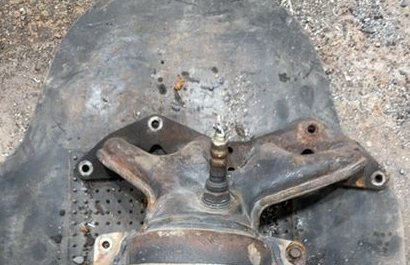
Why Catalytic Converter Prices Swing Wildly — And What You Can Do About It
A single catalytic converter can be worth anywhere from $15 to over $800 depending on what's inside it. That's not a typo. The spread is real, and if you're selling without knowing what you have, you're leaving serious money on the table. Whether you run a scrap yard in Winnipeg or you're clearing out a shop full of old cores, understanding how catalytic converter recycling actually works changes how much you walk away with.
This isn't a simple commodity like bare bright copper or clean aluminum extrusion. Cats are a different game — and the buyers who know that are banking on sellers who don't. Here's how to level the playing field, and why a B2B scrap metal marketplace is the smarter way to sell them.
What's Actually Inside a Catalytic Converter — And Why It Matters for Pricing
Catalytic converters contain platinum group metals: platinum (Pt), palladium (Pd), and rhodium (Rh). These are some of the most valuable materials in the recycling stream. Rhodium alone has traded at prices that dwarf gold. The exact mix and quantity of PGMs inside each converter depends on the make, model, engine size, and year of the vehicle it came from.
That variation is exactly why pricing is so hard to pin down. A converter from a compact Honda has a completely different PGM load than one from a full-size pickup truck or a diesel emissions unit. Recyclers and refiners who process these units know the assay values for hundreds of converter types. Most sellers don't — and that information gap is where money changes hands quietly.
- Platinum: Used in diesel converters primarily. Value fluctuates with global industrial demand.
- Palladium: Dominant in gas-powered vehicles. Was worth more than platinum for several years running.
- Rhodium: Smallest volume, highest value per ounce. Extreme price swings are common.
- Substrate type: Ceramic vs. foil (metallic) substrates have different PGM concentrations and processing costs.
Before you sell a load of cats, the first question to answer isn't "what's the price per unit?" It's "what type are these and what's the current PGM market doing?" Those two answers set your ceiling. Everything else is negotiation.
How Catalytic Converter Recycling Actually Works — From Your Yard to the Refinery
The recycling process for catalytic converters is more involved than most scrap streams. Here's the chain: seller to processor to refiner. Each step adds expertise — and margin. Understanding where you sit in that chain tells you a lot about why your local buyer quotes what they quote.
When a converter leaves your yard, it typically goes to a processor or consolidator who grades, weighs, and identifies each unit. Many processors use handheld XRF (X-ray fluorescence) analyzers or rely on established converter databases to estimate PGM content. The converter is then either sampled on-site or shipped to a refinery where the substrate is crushed, ground into a fine powder, and chemically assayed for actual PGM content.
- Collection and sorting: Units sorted by type — domestic, foreign, diesel, foil.
- Identification: VIN-matched or database-matched for PGM load estimates.
- Processing: Substrate extracted from the shell (the housing steel has its own scrap value).
- Sampling/assaying: Lab analysis determines actual PGM content.
- Settlement: Seller paid out based on assay results minus processing and refining fees.
This is why some deals are quoted per unit upfront, while others go on a "toll refining" or "assay settlement" basis. Upfront unit pricing is faster but may undervalue high-yield units. Assay settlement is slower but can return significantly more on high-grade loads. Knowing which route suits your load — and your cash flow — is part of selling smart. Platforms like SMASH make it easier to put your load in front of buyers who offer both pricing models, so you can compare and choose.
Why Catalytic Converter Prices Vary So Much — The Real Drivers
If you've been selling cats for any length of time, you've noticed prices don't move in a straight line. Last month's quote can be 20% higher or lower than this month's — sometimes more. That's not your buyer playing games (well, not always). It's driven by real market forces that most sellers don't track closely enough.
PGM spot prices move daily. Palladium, platinum, and rhodium trade on global commodity markets. A shift in automotive production volumes, mining output from South Africa or Russia, or currency movement can swing prices within a week. When you sell a load of converters without checking current PGM prices first, you're flying blind.
Other factors that push prices up or down:
- Regulatory pressure: Stricter emissions standards in North America and Europe have historically increased demand for PGMs — which drives prices up.
- EV adoption trends: As battery electric vehicles grow their share of new sales, long-term PGM demand forecasts shift. This affects how refiners hedge and what they're willing to pay today.
- Buyer competition: A single buyer quoting you is always low. Multiple buyers competing on a catalytic converter auction format creates actual price discovery.
- Grade and contamination: Cracked, wet, or loose-substrate converters grade down. Clean, intact units with documented origin bring more.
- Volume: Larger loads attract more serious buyers and better per-unit pricing.
The good news: you don't need a commodities desk to sell cats well. You need access to enough buyers that competition does the work for you. That's the whole premise behind using a B2B scrap metal marketplace instead of relying on a single local contact who calls the shots.
Selling Catalytic Converters in Winnipeg — What the Local Market Looks Like
Winnipeg's scrap market is active. The city sits at a logistics hub for western Canada, which means processors moving material east or west often compete for loads originating here. But that doesn't mean every seller in Winnipeg is getting competitive pricing. Many yards still rely on a short list of buyers — whoever picks up the phone first.
If you're doing scrap metal recycling in Manitoba and converters are part of your stream, the distance to major refiners matters less than it used to. Digital marketplaces have changed the equation. You don't need a buyer in your backyard — you need a buyer willing to pay fair value, and those buyers now operate nationally. You can sell your scrap metal in Canada on SellYourScrap and have vetted buyers from across the country competing for your load without a single cold call.
For Winnipeg yards specifically, a few practical notes:
- Manitoba's cold climate means vehicles run longer before retirement — so converter volumes from end-of-life vehicles stay relatively steady year-round.
- Agricultural and fleet equipment generates foil-substrate converters in higher volumes — these have different value profiles than passenger car units.
- Documentation matters more every year. Manitoba and federal regulations around converter tracking are tightening. Proper BOLs and serial tracking protect both seller and buyer.
If you need Winnipeg scrap metal services that understand the local market and connect you to buyers across Canada, that infrastructure already exists — you just have to use it.
How SMASH Helps You Get Fair Value on Converter Loads
The old way: call your usual buyer, get a quote, take it or leave it. You have no idea if that number is fair because you have no comparison. That's not a market. That's one person's opinion of what your material is worth.
SMASH runs a competitive auction format for scrap loads — including catalytic converters. You document your load with photos, unit counts, and VIN or serial data where available. Vetted buyers see what you have and bid. Competition reveals the market. You pick the offer that works for you.
There are no subscription fees. SMASH only earns when you sell — which means the platform has a direct incentive to get you the best outcome, not just any outcome. Auto-invoicing and documentation are built in, which matters as regulatory requirements around converter provenance tighten across North America.
For yards doing volume, the inventory tool and photo documentation features reduce disputes and build buyer confidence — which tends to push offers higher. More documentation, more confidence, better price discovery. Find the best price for your scrap in Canada with a process designed around competition, not convenience for the buyer.
Ready to see what your converter load is actually worth? Get a fair price for your scrap today and stop guessing what the market is paying.
Documentation and Compliance — The Part Most Sellers Skip
Catalytic converter theft is a well-documented problem across North America. As a result, regulations requiring proof of ownership and proper documentation for converter sales have expanded significantly. In 2026, this is not optional. Proper paperwork protects you legally and commercially.
What proper documentation looks like when selling a converter load:
- Bill of lading (BOL): Covers the load in transit. Required for any significant shipment.
- Packing list: Itemizes unit counts, types, and condition.
- Vehicle source records: Where the converters came from — end-of-life vehicles, fleet maintenance, shop cores.
- Serial or VIN tracking: Increasingly required by buyers and regulators alike.
- Photo documentation: Timestamped images of the load for dispute protection.
Buyers on a proper B2B scrap metal marketplace expect this documentation. If you're working with buyers who don't ask for it, that's a red flag — not a convenience. The compliance infrastructure built into platforms like SMASH exists for a reason: it keeps both sides protected and builds the kind of paper trail that regulators want to see.
If you're not already building these habits into your converter sales process, start now. Explore Canadian scrap metal guides for more on compliance, documentation best practices, and how to position your load for maximum value.
Selling scrap metal in Canada — whether it's cats, copper, aluminum, or steel — works best when you have the right platform behind you. If you're in Winnipeg or anywhere across Manitoba, the infrastructure to sell smart is already there. Request a pickup or get your load listed at sellyourscrap.ca and let competition do what a single phone call never can.
Frequently Asked Questions
Q: How do I know if my catalytic converters are worth selling through a B2B scrap metal marketplace?
If you have more than a handful of units, a B2B platform almost always makes sense. Competitive bidding from multiple vetted buyers typically surfaces better pricing than a single local quote. Even smaller loads benefit from documented, transparent transactions that protect both seller and buyer.
Q: Why are catalytic converter prices so different from one buyer to the next?
Because each buyer applies their own estimate of PGM content, current spot prices, processing costs, and margin. Without competition, there's no check on how low that estimate goes. A catalytic converter auction format creates that competition — which is the only reliable way to find out what your load is actually worth on the open market.
Q: Can I sell scrap metal — including catalytic converters — if I'm based in Winnipeg?
Absolutely. Winnipeg-based sellers can access national buyers through platforms like SMASH, meaning geography is no longer a barrier to competitive pricing. Local pickup options also exist for qualifying loads. Winnipeg's position as a logistics hub actually works in your favour for outbound shipments.
Q: What documentation do I need to sell catalytic converters legally in Manitoba?
At minimum, you need a bill of lading, a packing list, and source documentation showing where the converters came from. Serial or VIN tracking is increasingly expected by legitimate buyers. Platforms that include built-in documentation tools make compliance significantly easier to manage on every transaction.
Q: Do catalytic converter prices change often? Should I wait to sell?
PGM markets move daily, so yes — prices can shift meaningfully week to week. Timing the market perfectly is nearly impossible. The better strategy is to document your load well, access as many buyers as possible through a competitive platform, and sell when you have a load worth moving rather than holding material hoping for a spike. Disclaimer: scrap metal prices fluctuate. Always check current market rates before selling.
Stay current on scrap metal market trends and industry updates by following SMASH on LinkedIn — practical insights for yards and buyers across North America.
```